Melatonin vs Magnesium for Sleep
Updated By the HealthWorld editorial teamHow we pick
We may earn a commission when you buy through our links, at no extra cost to you. Affiliate disclosure
The short answer
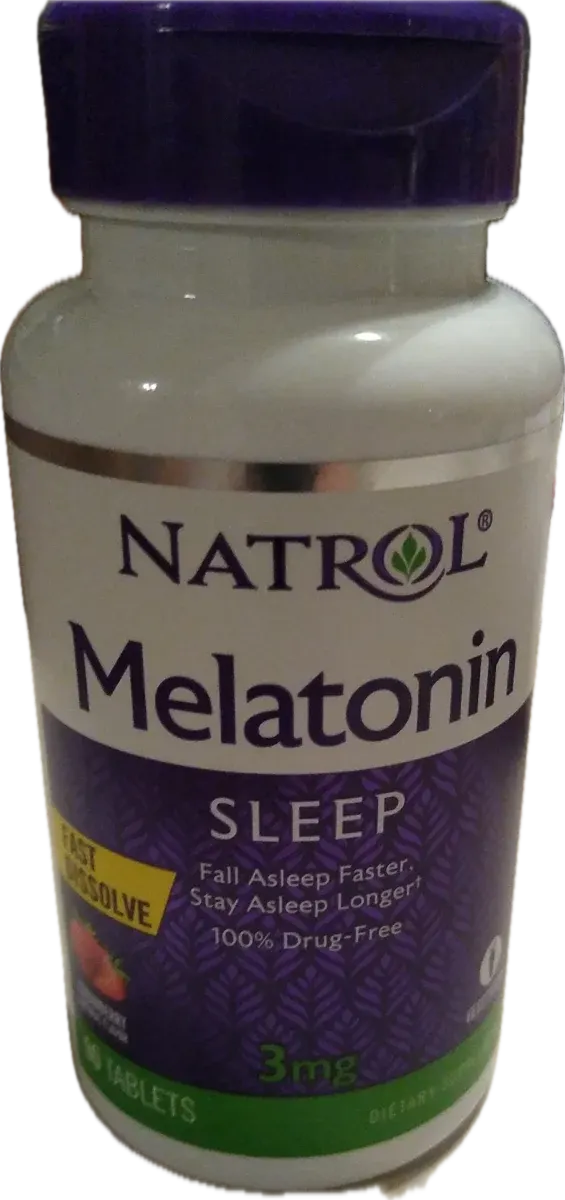
They do different jobs. Melatonin is a hormone that signals night to your body, so it's best for short-term timing problems such as jet lag or resetting your schedule, at the lowest effective dose. Magnesium is a mineral that supports muscle relaxation and nervous system function, which makes it a gentle option for an everyday wind-down routine. Many people start with magnesium and keep melatonin for occasional use; check with your doctor if you take medication or are pregnant.
Choose Melatonin if…
- You have jet lag or need to shift your sleep schedule
- You need short-term help falling asleep
- You're comfortable starting with a low dose
Choose Magnesium if…
- You want a gentle, everyday part of a wind-down routine
- Your diet may be low in magnesium
- You'd rather avoid taking a hormone
Side by side
| Melatonin | Magnesium | |
|---|---|---|
| What it is | A hormone your body makes in the dark | An essential mineral |
| How it helps | Signals sleep timing | Supports muscle relaxation and nervous system function |
| Best for | Jet lag and schedule shifts | Everyday wind-down routines |
| Typical use | Short-term, at the lowest effective dose | Daily, within the 350 mg supplemental upper limit |
| Possible side effects | Next-day grogginess, headache, vivid dreams | Loose stools at higher doses |
| When to take it | 30–60 minutes before bed | In the evening |
Where to buy


Frequently asked questions
Is melatonin or magnesium better for sleep?
It depends on the problem. If your body clock is off, from jet lag or a shifted schedule, melatonin is the better fit for short-term use. If you want a gentle nightly addition to a wind-down routine, magnesium is the usual choice. Neither replaces good sleep habits.
Can you take melatonin with magnesium glycinate?
Generally yes. They work in different ways and are often taken together. Start with a low melatonin dose, and talk to your doctor if you take sleep, blood pressure or other regular medication.
Is melatonin safe to take every night?
Short-term nightly use at low doses is considered safe for most healthy adults, but less is known about long-term use. If you need it most nights for more than a few weeks, talk to your doctor about what's behind the poor sleep.
Sources
- Magnesium — Fact Sheet for Health Professionals — NIH Office of Dietary Supplements
- Melatonin: What You Need To Know — NIH National Center for Complementary and Integrative Health
- Ashwagandha — Fact Sheet for Health Professionals — NIH Office of Dietary Supplements
- Dietary Supplements — U.S. Food & Drug Administration