The Best Fish Oil and Omega-3 Supplements
Updated By the HealthWorld editorial teamHow we pick
We may earn a commission when you buy through our links, at no extra cost to you. Affiliate disclosure
As an Amazon Associate I earn from qualifying purchases.
Top picks at a glance
- 1

- 2
- 3
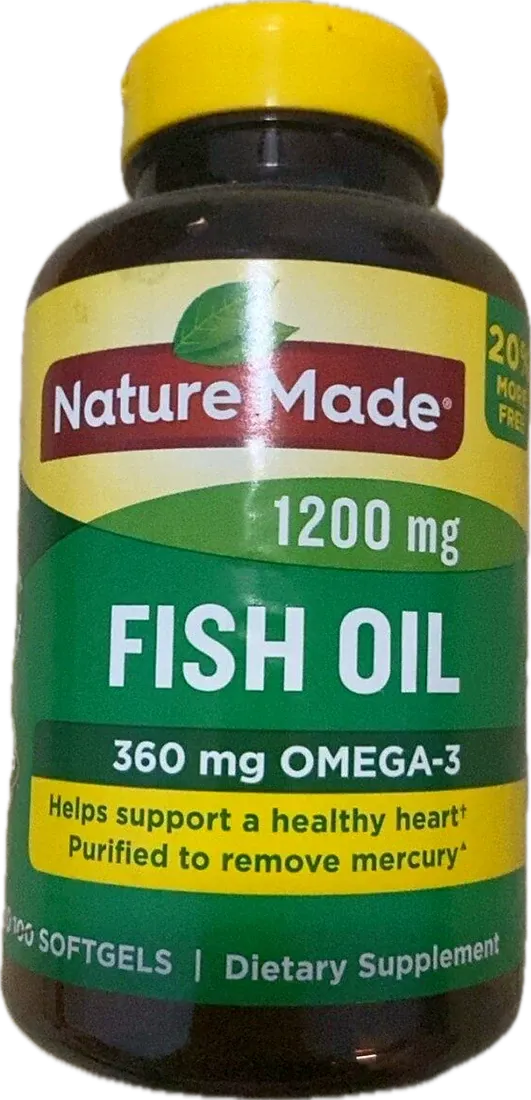
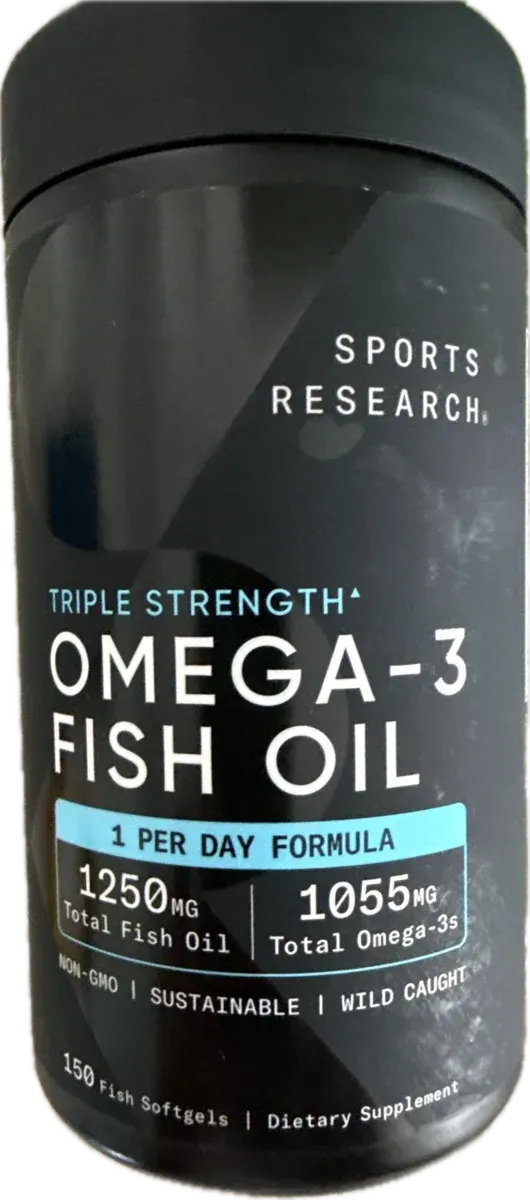
The best fish oil supplements tell you exactly how much EPA and DHA you get, come from brands that test for purity, and don't leave a fishy aftertaste. Nordic Naturals Ultimate Omega is our top pick for its concentrated, triglyceride-form omega-3s. Sports Research Triple Strength is the one-softgel-a-day option, and Nature Made is the USP Verified value pick.
Our picks
#1Best overall
Nordic Naturals Ultimate Omega
1,280 mg of omega-3s per two-softgel serving in the triglyceride form, third-party purity tested, with a lemon flavor.
#2Best one-a-day
Sports Research Triple Strength Omega-3
1,250 mg of omega-3s in a single softgel from wild Alaska pollock, in a burpless formula.
#3Best value
Nature Made Fish Oil 1200 mg
1,200 mg of fish oil per softgel with omega-3 EPA and DHA, USP Verified for quality and purity, at a great value per serving. Check the label for the exact EPA and DHA amounts.
What to look for
- EPA + DHA, not just 'fish oil'
- A 1,200 mg fish oil softgel may contain much less omega-3. Check the Supplement Facts panel for the combined EPA and DHA per serving.
- Purity testing
- Look for third-party testing for contaminants such as mercury and PCBs, or a USP Verified mark.
- The form
- Concentrated oils often use the triglyceride form; ethyl ester oils are usually cheaper. Both raise omega-3 levels, especially when taken with a meal that contains fat.
- Freshness
- Fish oil can oxidize. A strong fishy smell when you open the bottle is a warning sign. Store it away from heat and check the expiry date.
- Blood thinners and surgery
- Ask your doctor before taking fish oil if you take blood thinners, have a bleeding disorder or have surgery coming up.
Frequently asked questions
Does fish oil lower cholesterol?
Omega-3s from fish oil can lower triglycerides, especially at higher doses, but they don't meaningfully lower LDL ('bad') cholesterol and may slightly raise it in some people. If you have high cholesterol or triglycerides, talk to your doctor rather than self-treating.
When should you take fish oil, morning or night?
Any time works, as long as you take it with a meal that contains some fat, which helps absorption and reduces burps. Splitting a two-softgel serving between meals can also help.
Can you take fish oil with a multivitamin?
Yes, they're commonly taken together. If you use cod liver oil rather than regular fish oil, check how much vitamin A and D it adds so you don't double up.
How do you avoid fishy burps from fish oil?
Take it with food, choose a fresh product from a brand that tests its oil, and try a burpless or flavored softgel. Some people also find that keeping softgels in the fridge helps.
Sources
- Omega-3 Fatty Acids — Fact Sheet for Health Professionals — NIH Office of Dietary Supplements
- Coenzyme Q10 — NIH National Center for Complementary and Integrative Health
- Dietary Supplements — U.S. Food & Drug Administration