The Best Probiotics for Bloating, Gas and Constipation
Updated By the HealthWorld editorial teamHow we pick
We may earn a commission when you buy through our links, at no extra cost to you. Affiliate disclosure
As an Amazon Associate I earn from qualifying purchases.
Top picks at a glance
- 1
- 2

Best multi-strain
Garden of Life Dr. Formulated Probiotics Once DailyStrains Multi-strain · Storage Shelf-stable
Probiotics may help some people with bloating and gas, but results depend on the strain and the person, and the evidence is mixed. Culturelle, built on the well-researched LGG strain, is our first pick, and Garden of Life's multi-strain formula is the alternative if you'd like several strains. Give any probiotic two to four weeks before judging it.
Our picks
#1Best well-studied strain
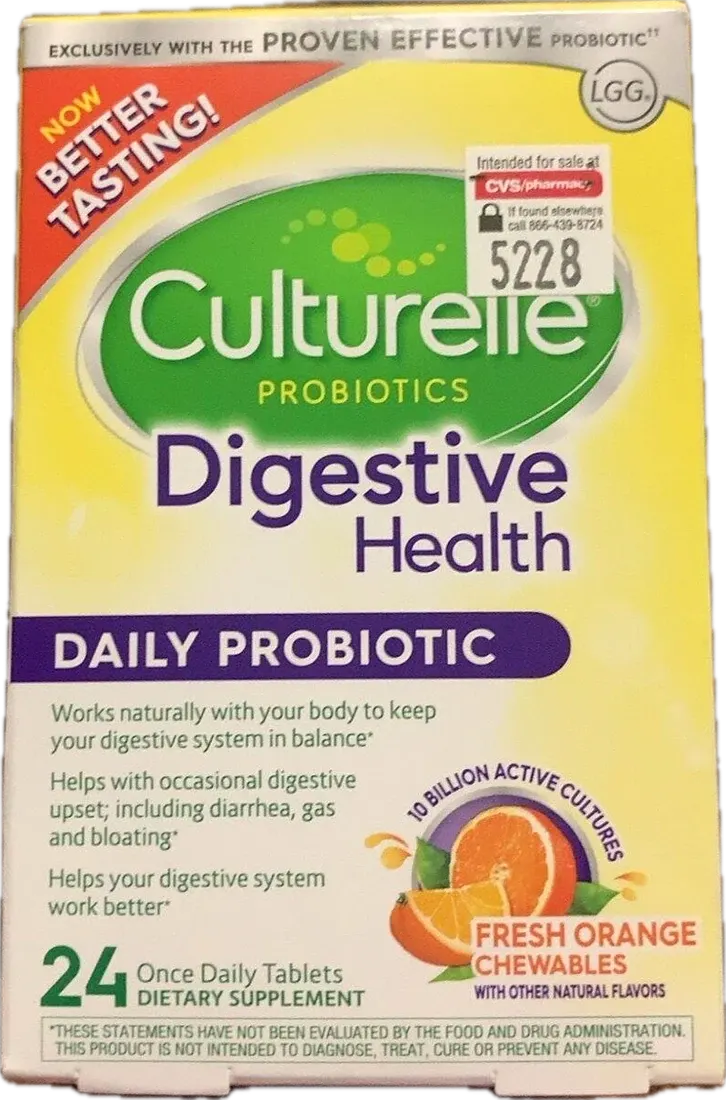
Culturelle Daily Probiotic
10 billion CFU of Lactobacillus rhamnosus GG (LGG), one of the most researched probiotic strains, in one capsule a day.
#2Best multi-strain
Garden of Life Dr. Formulated Probiotics Once Daily
A once-daily probiotic with multiple strains that's shelf-stable, so no refrigeration is needed.
What to look for
- Expect an adjustment period
- Some people get a little more gas or bloating in the first week or two of a new probiotic. Start with one capsule a day and give it time.
- Strains with research behind them
- Choose products that name their strains. Different strains have been studied for different digestive concerns.
- Diet and habits first
- Bloating often improves with simple changes such as eating more slowly, increasing fiber gradually and identifying trigger foods. A food diary can help.
- Know when to see a doctor
- See a doctor if bloating is persistent or comes with pain, weight loss, blood in your stool, vomiting or a lasting change in bowel habits.
Frequently asked questions
Do probiotics help with bloating?
For some people, yes. Studies of certain strains have found modest improvements in bloating, especially in people with IBS-type symptoms, but results vary and many studies are small. If you see no change after about four weeks, a different strain or approach may suit you better.
Can you take probiotics with antibiotics?
Yes, many people do, and some strains, including LGG, have been studied for use during antibiotic treatment. Take the probiotic at least two hours apart from the antibiotic dose. Check with your doctor or pharmacist first.
Can probiotics help with bloating and constipation?
Some strains have been studied for regularity, and some people find a probiotic helps with both bloating and constipation, but probiotics aren't laxatives and results vary. Fiber, fluids and movement are the first steps. See a doctor if constipation is new, severe or lasts more than a couple of weeks.
When should you take probiotics, morning or night?
Choose a time you'll remember every day, and follow the label, since some brands suggest taking them with or before a meal. Consistency matters more than timing.
Sources
- Probiotics — Fact Sheet for Health Professionals — NIH Office of Dietary Supplements
- Dietary Supplements — U.S. Food & Drug Administration