CoQ10 (Ubiquinone) vs Ubiquinol
Updated By the HealthWorld editorial teamHow we pick
We may earn a commission when you buy through our links, at no extra cost to you. Affiliate disclosure
The short answer
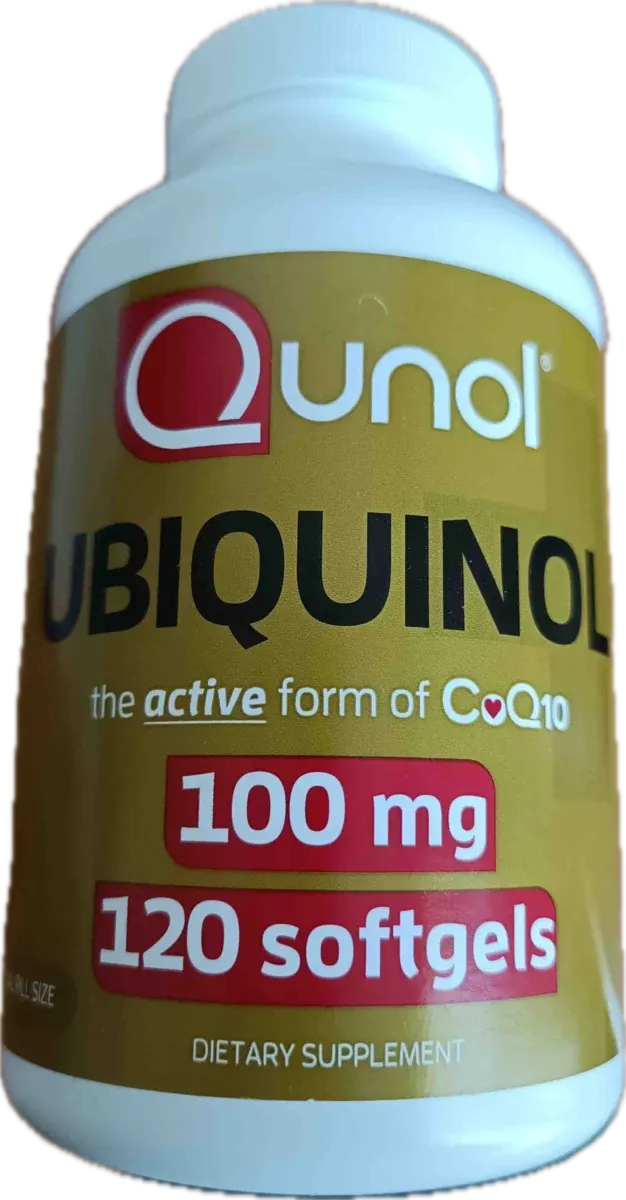
Ubiquinone (sold simply as CoQ10) and ubiquinol are two forms of the same compound, and your body converts between them. Ubiquinol is the reduced, active form and may be absorbed better by some people, especially older adults, but it typically costs more. Regular CoQ10 taken with a meal that contains fat works well for many people; ubiquinol is a reasonable upgrade if you're older or prefer the active form. Talk to your doctor first if you take blood thinners or blood pressure medication.
Choose CoQ10 (ubiquinone) if…
- You want the most widely studied, budget-friendly form
- You have no particular absorption concerns
- You'll take it with a meal that contains fat
Choose Ubiquinol if…
- You're over 40 or prefer the active form
- You're willing to pay more for possibly better absorption
- You want a simple once-daily softgel
Side by side
| CoQ10 (ubiquinone) | Ubiquinol | |
|---|---|---|
| What it is | Oxidized form of CoQ10 | Reduced, active form of CoQ10 |
| In the body | Converted to ubiquinol | Used directly |
| Absorption | Good when taken with fat | May be better for some people; evidence is mixed |
| Stability | More stable | Less stable; usually sold in softgels |
| Price | Usually cheaper | Usually more expensive |
| Research | Used in most studies | Smaller but growing body of research |
Where to buy
Frequently asked questions
Ubiquinol or CoQ10: which is better?
Neither is clearly better for everyone. Both raise CoQ10 levels in the blood; ubiquinol may be absorbed better by some people, especially older adults, but it costs more. Regular CoQ10 taken with a meal that contains fat is a good, cheaper starting point.
Is ubiquinol absorbed better than CoQ10?
Some studies suggest ubiquinol raises blood CoQ10 levels more efficiently, while others find little difference once the formulation is good and it's taken with food. Oil-based softgels generally help either form absorb better.
Can you take CoQ10 with statins?
Generally yes, and it's popular with statin users because statins lower the body's CoQ10 levels. Studies on whether it eases statin-related muscle aches are mixed. Talk to your doctor before starting, especially if you also take blood thinners or blood pressure medication.
Sources
- Omega-3 Fatty Acids — Fact Sheet for Health Professionals — NIH Office of Dietary Supplements
- Coenzyme Q10 — NIH National Center for Complementary and Integrative Health
- Dietary Supplements — U.S. Food & Drug Administration