Best Creatine for Women: Simple, Proven Options
Updated By the HealthWorld editorial teamHow we pick
We may earn a commission when you buy through our links, at no extra cost to you. Affiliate disclosure
As an Amazon Associate I earn from qualifying purchases.
Top picks at a glance
- 1
- 2
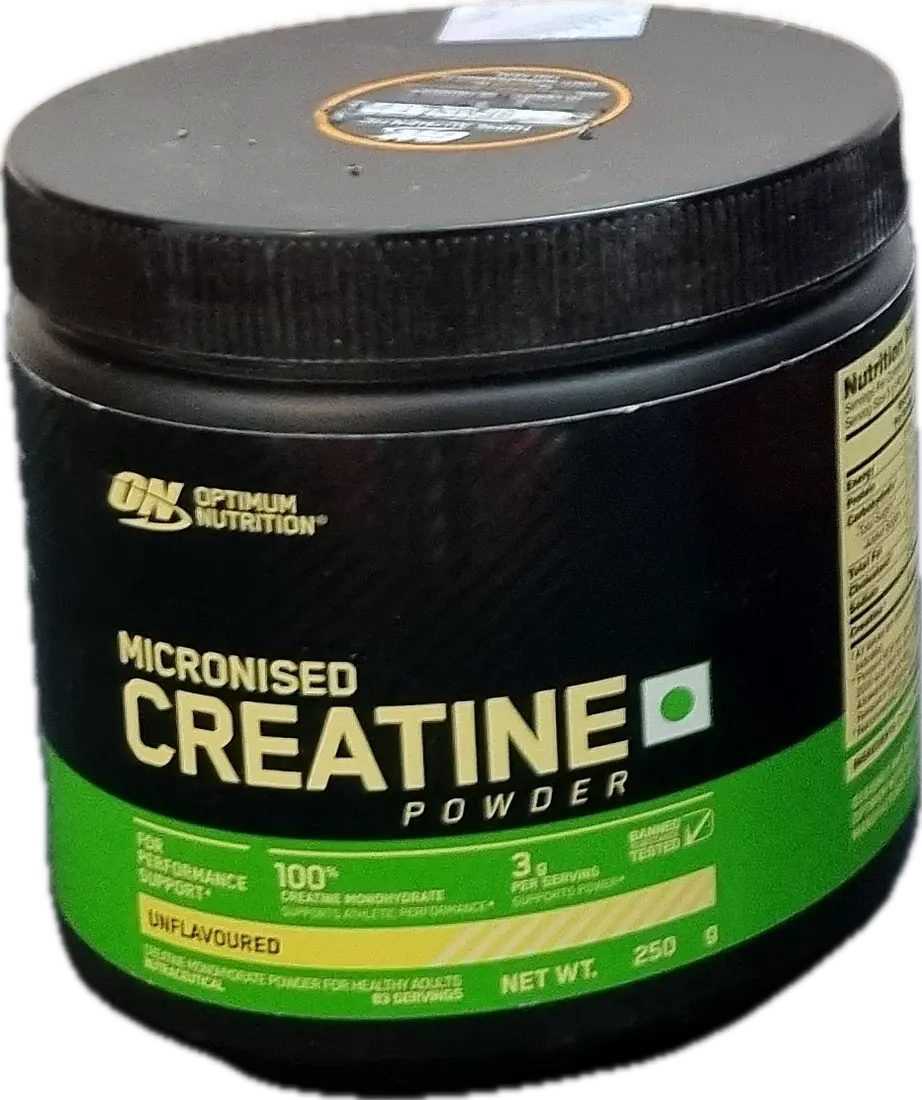
Best for easy mixing
Optimum Nutrition Micronized Creatine MonohydrateCreatine 5 g · Form Monohydrate
- 3
The best creatine for women is the same as for men: plain creatine monohydrate at 3–5 g a day. There's no need for 'women's' formulas or gummies with added extras. Our picks are single-ingredient powders, led by Thorne's NSF Certified for Sport option.
Our picks
#1Best overall
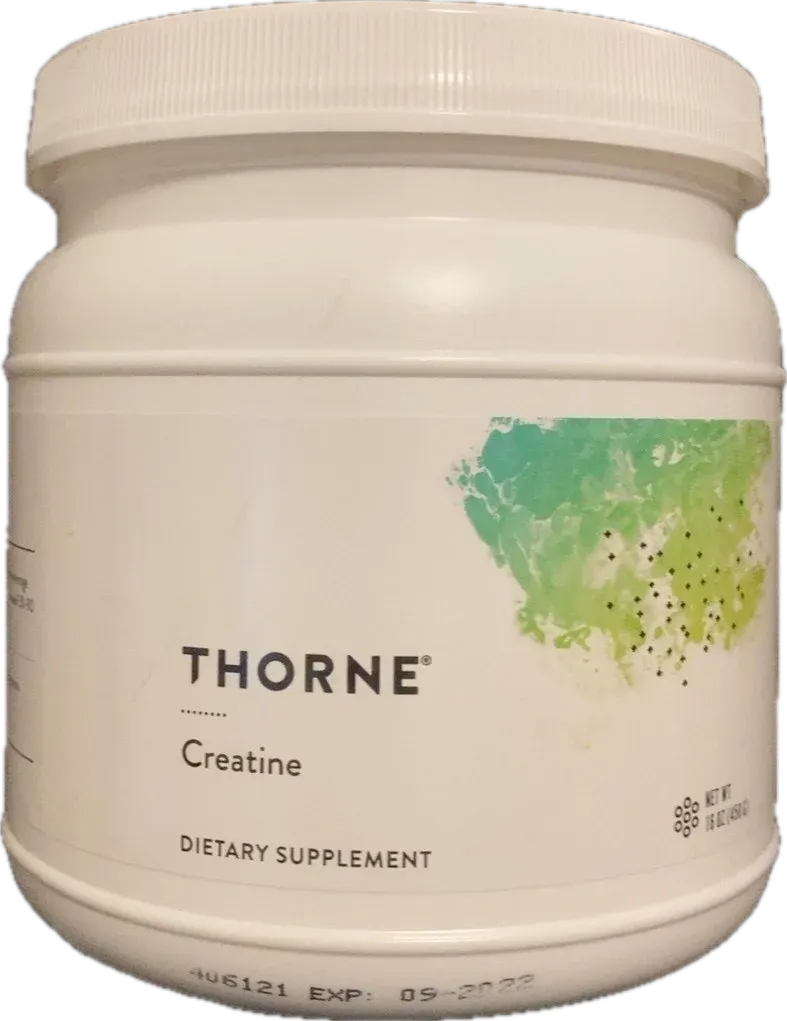
Thorne Creatine
NSF Certified for Sport and a single ingredient: 5 g of creatine monohydrate per serving, unflavored, so it blends into coffee, water or a smoothie.
#2Best for easy mixing
Optimum Nutrition Micronized Creatine Monohydrate
Micronized creatine monohydrate that dissolves easily in any drink, from a long-running best-selling brand.
#3Best value
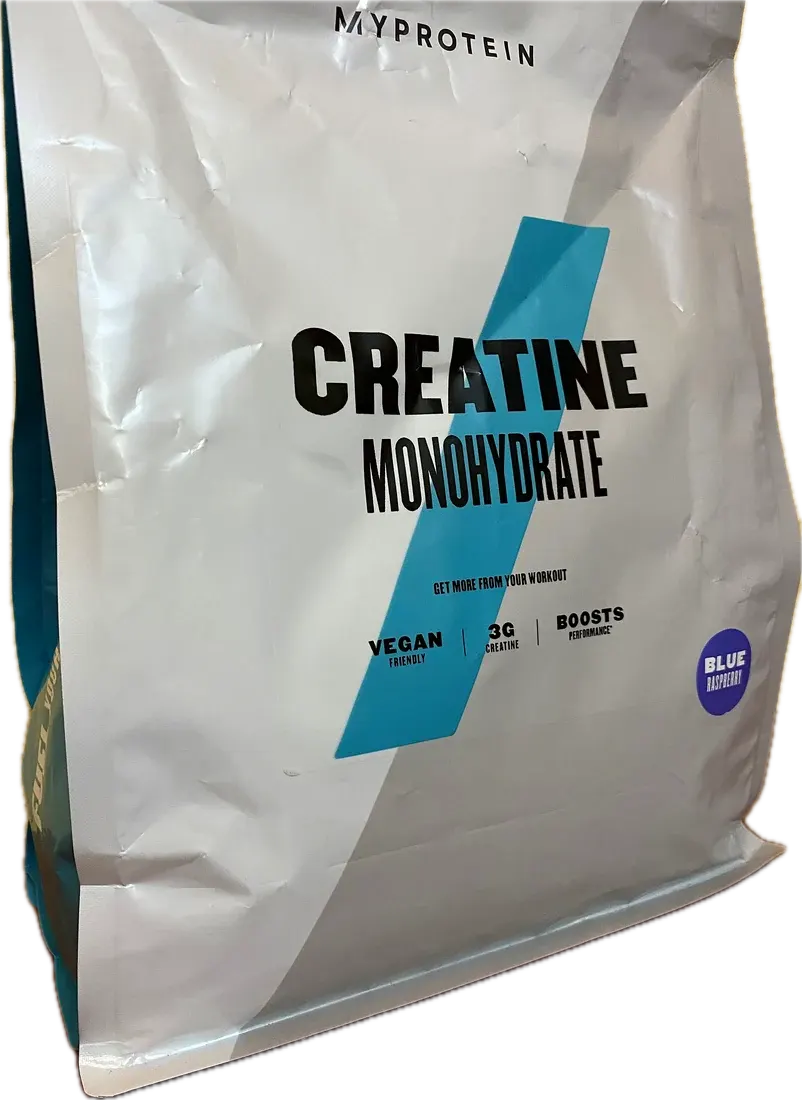
Myprotein Creatine Monohydrate
The same pure monohydrate in large pouches that keep the cost per serving low.
What to look for
- Skip the 'for women' markup
- Creatine works the same way regardless of sex. Products marketed to women often cost more per gram or add ingredients you don't need; plain monohydrate is the proven form.
- Gummies: check the actual dose
- Gummies are convenient, but you may need several a day to reach 3–5 g. Check the creatine amount per serving and look for third-party testing.
- Unflavored for flexibility
- Unflavored powder can go into coffee, tea, yogurt or a protein shake, which makes a daily habit easier to keep.
- Over 40 and 50: pair it with strength training
- Research interest in creatine for women in midlife focuses on muscle and strength alongside resistance training. Creatine supports training; it doesn't replace it. If you take medication or have kidney issues, check with your doctor first.
Frequently asked questions
How much creatine should a woman take?
Most research uses 3–5 g of creatine monohydrate a day, and that range applies to women too. You don't need a loading phase. If you're pregnant, breastfeeding or have a medical condition, talk to your doctor before taking creatine.
Is creatine worth it for women?
For women who do strength or high-intensity training, creatine is one of the best-studied supplements for supporting strength and lean muscle gains. It's inexpensive and has a good safety record in healthy adults. It works best alongside consistent training and enough protein.
Does creatine make you gain weight?
Creatine can cause a small increase in scale weight, mostly from extra water stored inside muscle, especially during a loading phase. This isn't fat gain. Skipping the loading phase and taking 3–5 g a day tends to make any change more gradual.
Does creatine make you bloated?
Some people notice bloating or stomach discomfort, usually with large loading doses. Taking 3–5 g a day with plenty of fluid, and splitting the dose if needed, usually helps. Micronized powders also dissolve more easily.
Does creatine cause hair loss?
There's no good evidence that creatine causes hair loss. The concern comes mainly from one small study in young male rugby players that found a rise in DHT, a hormone linked to hair loss; it didn't measure hair loss and hasn't been replicated. If you're worried, talk to your doctor.
Sources
- Dietary Supplements for Exercise and Athletic Performance — NIH Office of Dietary Supplements
- Dietary Supplements — U.S. Food & Drug Administration