The Best Creatine Monohydrate Supplements
Updated By the HealthWorld editorial teamHow we pick
We may earn a commission when you buy through our links, at no extra cost to you. Affiliate disclosure
As an Amazon Associate I earn from qualifying purchases.
Top picks at a glance
- 1
- 2
Best for easy mixing
Optimum Nutrition Micronized Creatine MonohydrateCreatine 5 g · Form Monohydrate
- 3
Creatine monohydrate is one of the most researched sports supplements, and the best products keep it simple: one ingredient, about 5 g per serving, no proprietary blends. Thorne is our top pick because it's NSF Certified for Sport; Optimum Nutrition and Myprotein are long-running, single-ingredient best-sellers.
Our picks
#1Best overall
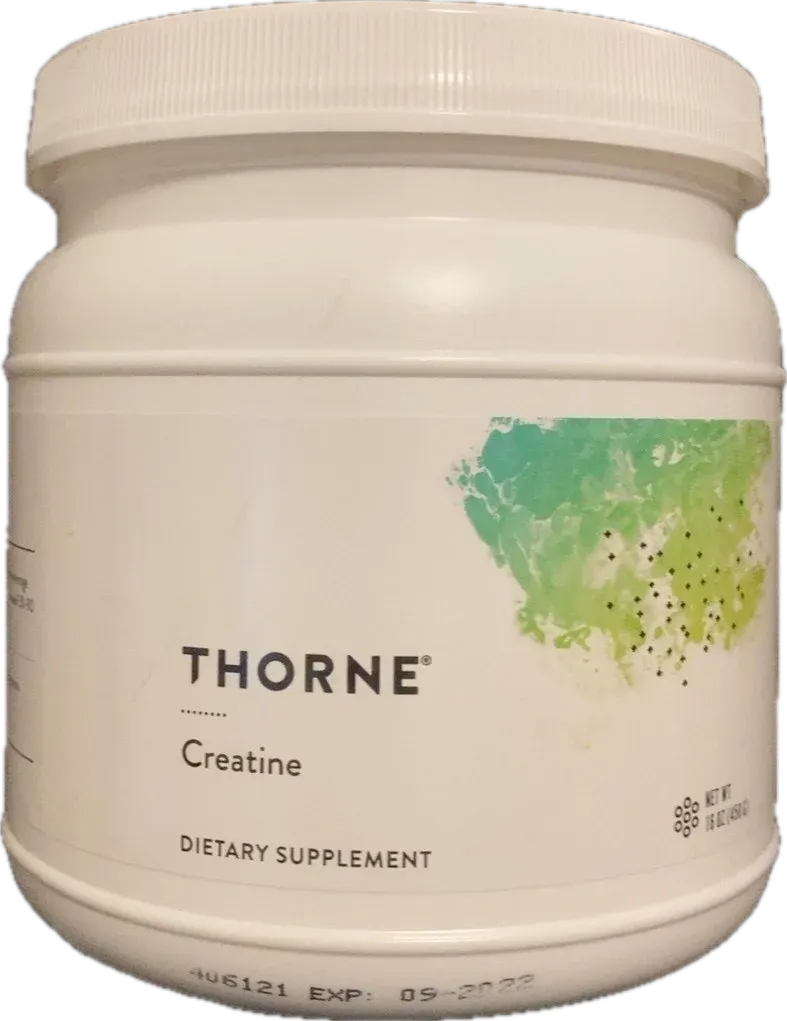
Thorne Creatine
NSF Certified for Sport, so it's screened for banned substances. Plain creatine monohydrate, 5 g per serving and unflavored.
#2Best for easy mixing
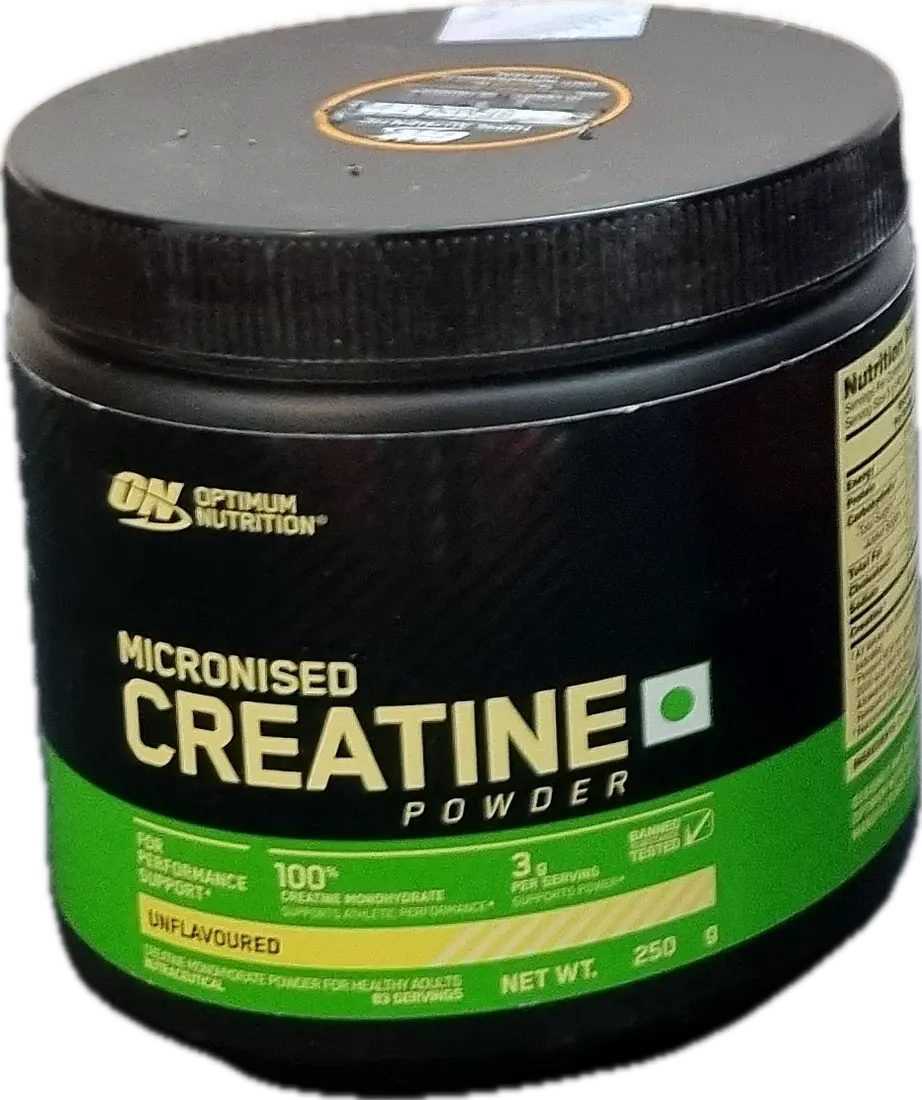
Optimum Nutrition Micronized Creatine Monohydrate
Micronized creatine monohydrate, 5 g per serving, that disappears into water, juice or a shake. A long-running best-seller with a single ingredient.
#3Best value
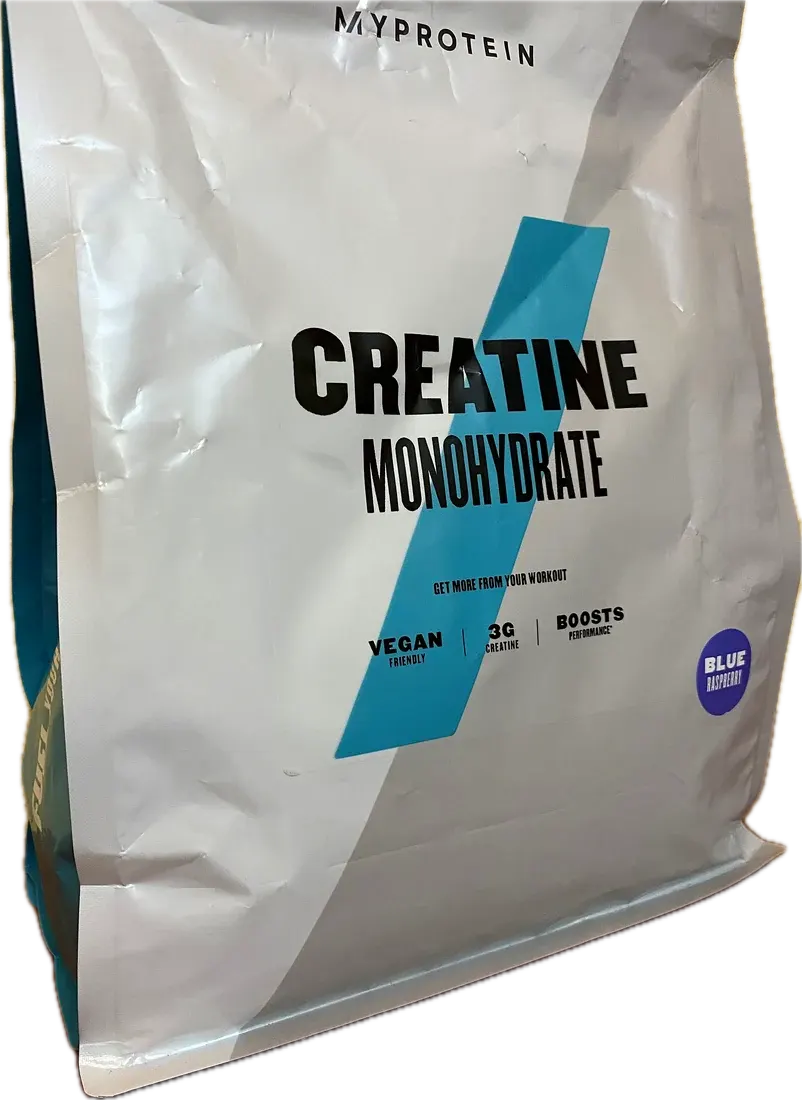
Myprotein Creatine Monohydrate
The same pure, unflavored creatine monohydrate in big resealable pouches that keep the cost per serving low.
What to look for
- Creatine monohydrate on the label
- Monohydrate is the form used in most research. Newer forms such as HCl, buffered or ethyl ester usually cost more without strong evidence that they work better.
- Third-party testing
- If you compete in a drug-tested sport, look for NSF Certified for Sport or Informed Sport. For everyone else, a certification is still a useful sign that the label matches what's inside.
- One ingredient, no blends
- The ingredient list should read 'creatine monohydrate' and little else. Skip proprietary blends that don't show the exact creatine dose.
- Price per serving
- A typical daily dose is 3–5 g. Compare products by cost per 5 g serving rather than tub price; plain creatine is simple to make, so a premium rarely buys you more.
- Powder vs gummies
- Powder is the most cost-effective and easiest to dose. Gummies are convenient, but you may need several a day to reach 3–5 g, so check the creatine amount per serving.
Frequently asked questions
Should I take creatine before or after a workout?
Timing matters much less than taking it consistently every day. Some studies suggest a small advantage to taking it close to training, but the difference is minor. Pick a time you'll remember, such as with a post-workout shake or breakfast.
Should I take creatine on rest days?
Yes. Creatine works by gradually filling your muscles' creatine stores, so a daily dose keeps them topped up whether or not you train. On rest days, take it whenever is convenient.
How long does creatine take to work?
At 3–5 g a day, muscle creatine stores usually fill up over about three to four weeks. A loading phase (around 20 g a day, split into smaller doses, for 5–7 days) gets there faster, but it's optional and more likely to cause stomach upset.
Is creatine safe to take every day?
For healthy adults, daily creatine at standard doses has a strong safety record in research, including longer-term studies. It can raise creatinine on blood tests, so tell your doctor you take it. If you have kidney disease or take regular medication, talk to your doctor before starting.
Can you mix creatine with protein powder?
Yes. Unflavored creatine mixes easily into a protein shake, and there's no known problem with taking the two together. It's a simple way to make the daily dose a habit.
Sources
- Dietary Supplements for Exercise and Athletic Performance — NIH Office of Dietary Supplements
- Dietary Supplements — U.S. Food & Drug Administration