Creatine vs Protein Powder
Updated By the HealthWorld editorial teamHow we pick
We may earn a commission when you buy through our links, at no extra cost to you. Affiliate disclosure
The short answer
They do different jobs, so it's rarely either/or. Protein supplies the amino acids your body uses to build and repair muscle, and a powder simply helps you reach your daily target. Creatine is stored in your muscles and supports strength and power in short, intense efforts when you train. If you can only start with one, start with protein if you struggle to eat enough of it; otherwise creatine monohydrate is cheap, simple and one of the most researched supplements. Many people mix both into one shake.
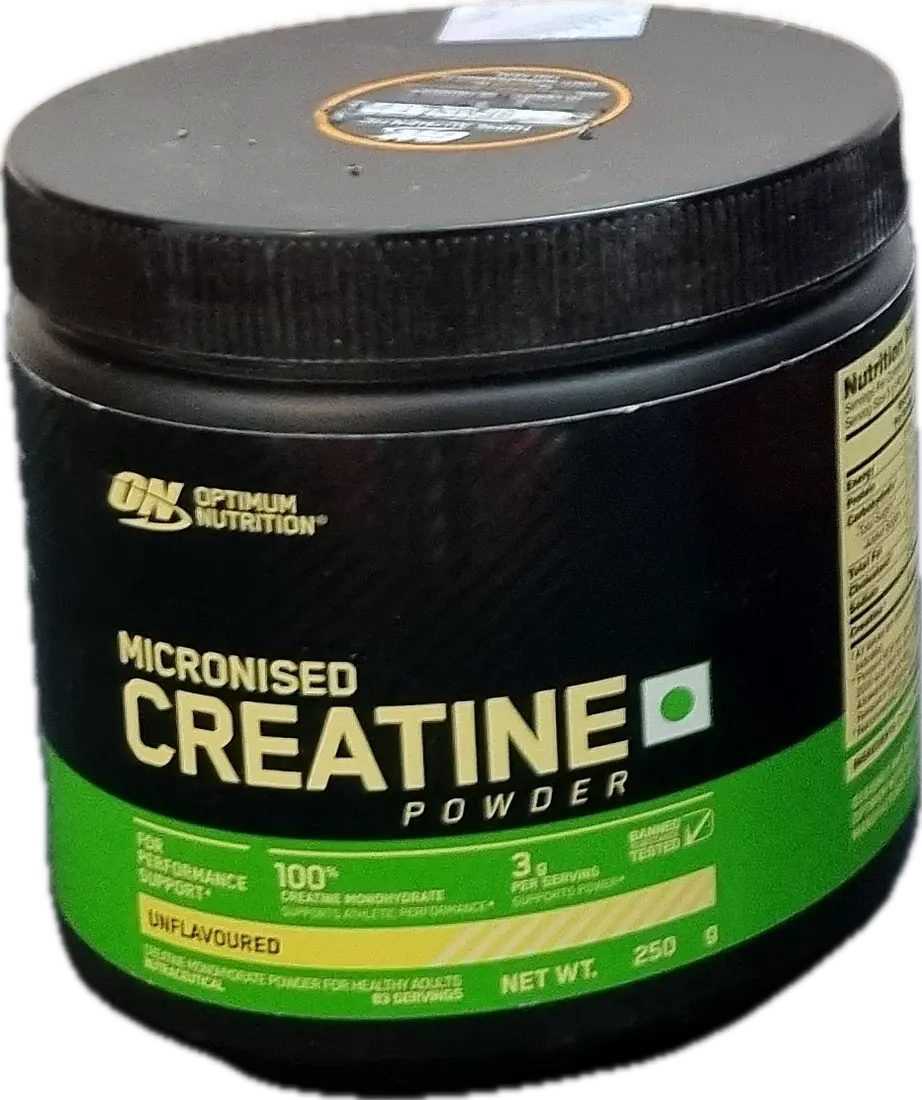
Choose Creatine if…
- You already eat enough protein and want more strength and power in training
- You want a cheap, simple daily supplement
- You do short, intense efforts like lifting or sprints
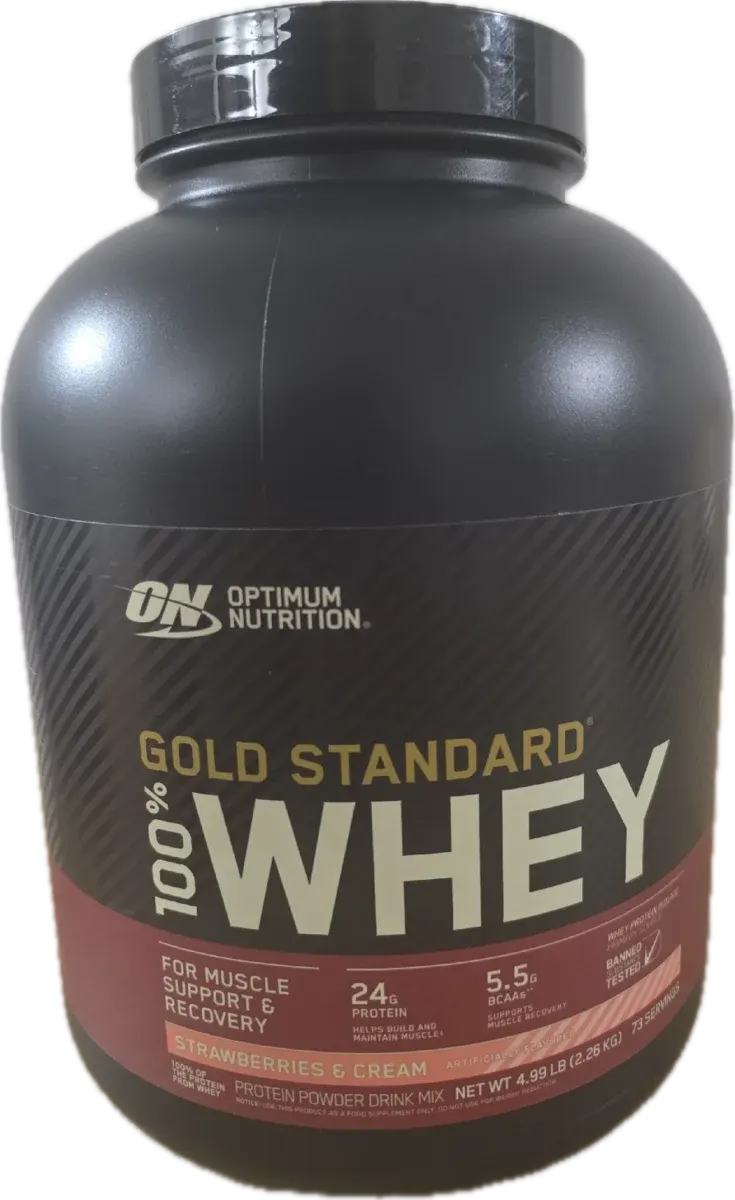
Choose Protein powder if…
- You struggle to reach your daily protein target from food
- You want a quick post-workout shake or snack
- You're trying to keep muscle while eating fewer calories
Side by side
| Creatine | Protein powder | |
|---|---|---|
| What it is | A compound made from amino acids, stored in muscle | A macronutrient: whey, milk or plant protein |
| Main job | Supports strength and power in short, intense efforts | Supplies amino acids to build and repair muscle |
| Typical daily amount | 3–5 g of creatine monohydrate | 1–2 scoops, toward your daily protein total |
| Calories | Practically none | About 100–150 per scoop |
| Timing | Any time; consistency matters most | Any time; often after training or with breakfast |
| Example | ON Micronized Creatine: 5 g | Gold Standard Whey: 24 g protein |
| Found in food | Red meat and fish, in small amounts | Meat, fish, dairy, eggs and legumes |
Where to buy
Frequently asked questions
Can I take creatine and protein together?
Yes. Mixing unflavored creatine into a protein shake is common and convenient, and there's no known interaction between the two.
Is creatine a protein?
No. Your body makes creatine from three amino acids (arginine, glycine and methionine), but creatine itself isn't a protein and provides practically no calories.
Does creatine make you gain weight?
Creatine draws water into your muscles, so many people see a small rise on the scale in the first weeks. That's water in muscle, not fat.
Which should a beginner take first?
Get your diet and protein intake in order first; a protein powder helps if you fall short. Creatine monohydrate is a sensible next step once you train regularly.
Sources
- Dietary Supplements for Exercise and Athletic Performance — NIH Office of Dietary Supplements
- Dietary Supplements — U.S. Food & Drug Administration