The Best Plant-Based Protein Powders
Updated By the HealthWorld editorial teamHow we pick
We may earn a commission when you buy through our links, at no extra cost to you. Affiliate disclosure
As an Amazon Associate I earn from qualifying purchases.
Top picks at a glance
- 1
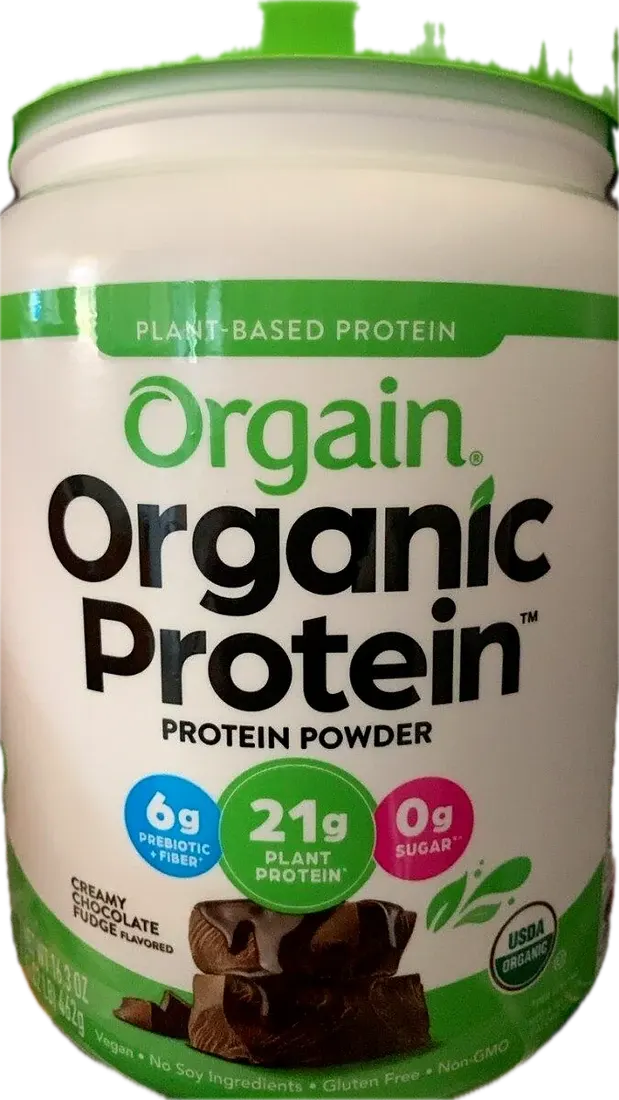
A good plant protein powder blends sources such as pea and rice to round out the amino acid profile, tastes smooth and is open about testing. Orgain Organic Protein is our pick: a USDA Organic blend of pea, brown rice and chia seed with 21 g of protein. It's currently our only plant-based pick, so use the checklist below when comparing other brands.
Our picks
#1Best plant-based
Orgain Organic Protein Plant-Based
A USDA Organic, vegan blend of pea, brown rice and chia seed protein with 21 g of protein per serving. It's known for a smoother texture than many vegan powders and works well in smoothies and baking.
What to look for
- A blend of sources
- Pea and rice complement each other's amino acids, so blends usually give a more complete profile than a single plant source.
- Heavy metals and testing
- Plants absorb minerals from soil, including traces of heavy metals like lead and cadmium, so plant proteins can carry small amounts. Levels vary by brand and batch; favor brands that publish third-party test results or carry an independent certification.
- Organic isn't the same as tested
- USDA Organic covers how ingredients are grown and processed, not heavy-metal levels. Treat organic status and contaminant testing as separate questions.
- Protein per serving
- Plant powders often deliver a little less protein per scoop than whey. Aim for at least 20 g per serving and check the scoop size.
- Sweeteners and gums
- Many plant proteins use stevia, monk fruit or erythritol, and some add gums for texture. Check the label if you avoid sweeteners or find gums cause bloating.
Frequently asked questions
Whey protein vs plant protein: which is better?
Both can support muscle gain when you hit your daily protein target. Whey is a complete protein that's high in leucine and digests quickly; plant blends are dairy-free and vegan, and a pea-rice blend can provide all the essential amino acids. Choose based on your diet, digestion and taste.
Do plant protein powders contain heavy metals?
Many contain trace amounts, because plants take up metals that occur naturally in soil. Trace levels don't automatically make a product unsafe, but it's sensible to choose brands that publish independent test results and to vary your protein sources. If you're pregnant, talk to your doctor about which supplements to use.
Is plant protein good for muscle gain?
Yes, as long as you get enough total protein and train consistently. Studies comparing pea or blended plant protein with whey have generally found similar results when the protein dose is matched. A slightly larger serving can help make up for plant protein's lower leucine content.
Sources
- Dietary Supplements for Exercise and Athletic Performance — NIH Office of Dietary Supplements
- Dietary Supplements — U.S. Food & Drug Administration