The Best Whey Isolate Protein Powders
Updated By the HealthWorld editorial teamHow we pick
We may earn a commission when you buy through our links, at no extra cost to you. Affiliate disclosure
As an Amazon Associate I earn from qualifying purchases.
Top picks at a glance
- 1
- 2
- 3
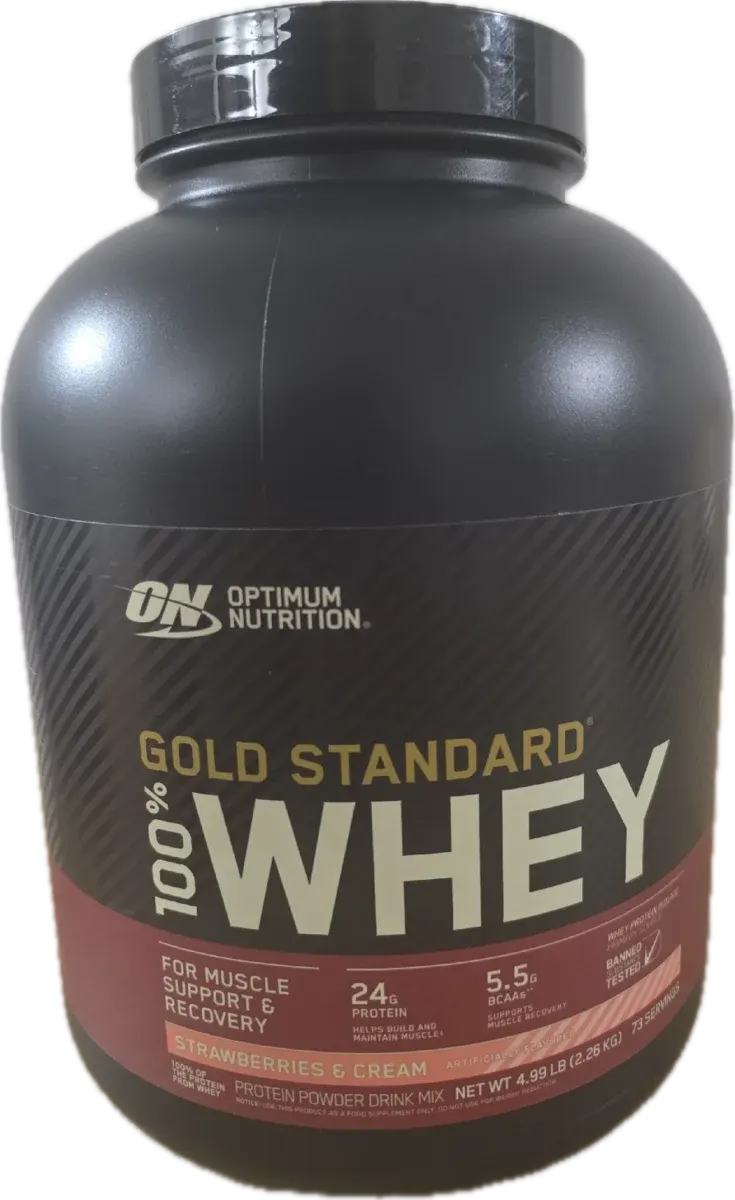
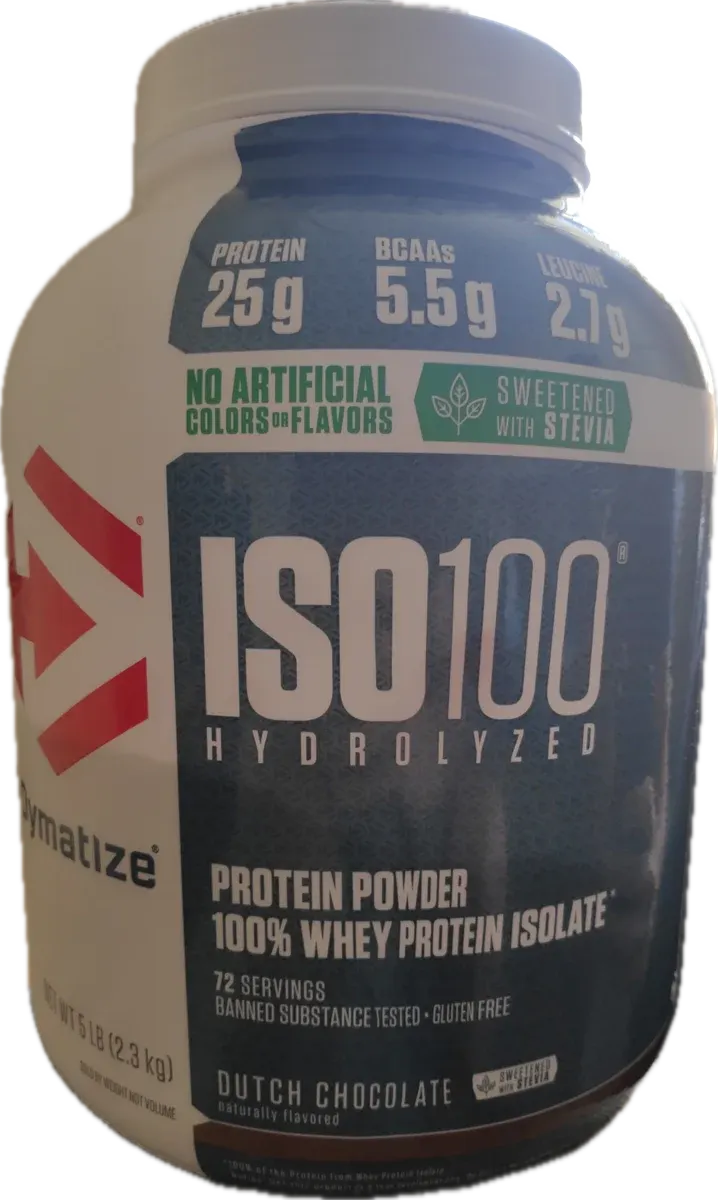
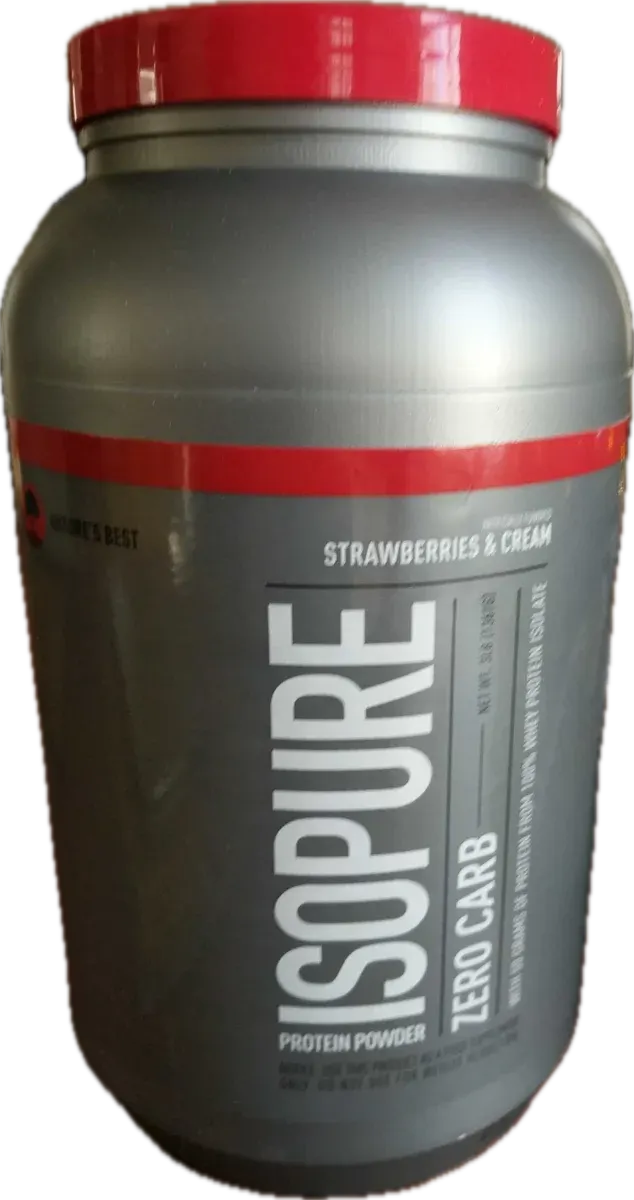
Whey isolate is filtered to remove most of the fat, carbs and lactose, leaving a powder that's mostly protein. Dymatize ISO100 is our top pick for its hydrolyzed isolate and 25 g of protein per serving, and Isopure Zero Carb is the pick for low-carb diets. If you don't need a pure isolate, Gold Standard is a blend led by whey isolate.
Our picks
#1Best overall
Dymatize ISO100 Hydrolyzed
Hydrolyzed whey protein isolate with 25 g of protein per serving and very little fat or sugar. Its light texture is easy to digest for many people.
#2Best for low-carb and keto
Isopure Zero Carb Whey Isolate
100% whey protein isolate with 25 g of protein and 0 g of carbs and sugar per serving.
#3Best isolate-led blend
Optimum Nutrition Gold Standard 100% Whey
Not a pure isolate, but whey protein isolate is the primary ingredient. 24 g of protein per scoop and a huge range of flavors.
What to look for
- Isolate first on the label
- Ingredients are listed by amount. If whey protein isolate is first, or the only protein, you're getting mostly isolate; blends add concentrate, which is cheaper but has a little more fat, carbs and lactose.
- Protein per scoop
- Compare grams of protein with the scoop weight. A high protein-to-scoop ratio is a quick sign of a cleaner isolate with less filler.
- Third-party testing
- Look for NSF Certified for Sport, Informed Choice or Informed Sport if you're a tested athlete or want independent screening. Certifications can vary by flavor and size, so check the label.
- Sweeteners
- Most flavored isolates use sucralose or other non-nutritive sweeteners. If you avoid them, look for an unflavored version.
- Lactose sensitivity
- Isolate contains very little lactose, which suits many people with mild lactose intolerance. It still comes from milk, so it isn't suitable if you have a milk allergy.
Frequently asked questions
Is protein powder better with milk or water?
Water gives you just the protein with the fewest calories and a thinner shake; milk adds calories, extra protein and a creamier texture. If you chose an isolate to cut lactose or calories, water makes more sense. Both work for building muscle.
How much protein powder per day?
Most people use one to two scoops a day to fill gaps in their diet, not to replace meals. Total daily protein is what matters; many active adults aim for roughly 1.2–2 g per kg of body weight from food and shakes combined. A dietitian can help you find your number.
Can you take protein powder and creatine at the same time?
Yes. Mixing unflavored creatine into a protein shake is common and convenient, and there's no known interaction between the two.
Is protein powder bad for your kidneys?
In healthy people, research hasn't shown that higher protein intakes from food or powder harm the kidneys. People with kidney disease are often advised to limit protein, so if you have a kidney condition, talk to your doctor before using protein powder.
Sources
- Dietary Supplements for Exercise and Athletic Performance — NIH Office of Dietary Supplements
- Dietary Supplements — U.S. Food & Drug Administration