The Best Protein Powders of 2026
Updated By the HealthWorld editorial teamHow we pick
We may earn a commission when you buy through our links, at no extra cost to you. Affiliate disclosure
As an Amazon Associate I earn from qualifying purchases.
Top picks at a glance
- 1
- 2
- 3
The best protein powder is the one that fits your diet and that you'll actually drink every day. Optimum Nutrition Gold Standard is our top all-round pick, with 24 g of protein per scoop and a huge flavor range. Pick Dymatize ISO100 for a hydrolyzed isolate, Myprotein Impact Whey on a budget, Isopure Zero Carb for low-carb diets and Orgain if you're plant-based.
Our picks
#1Best overall
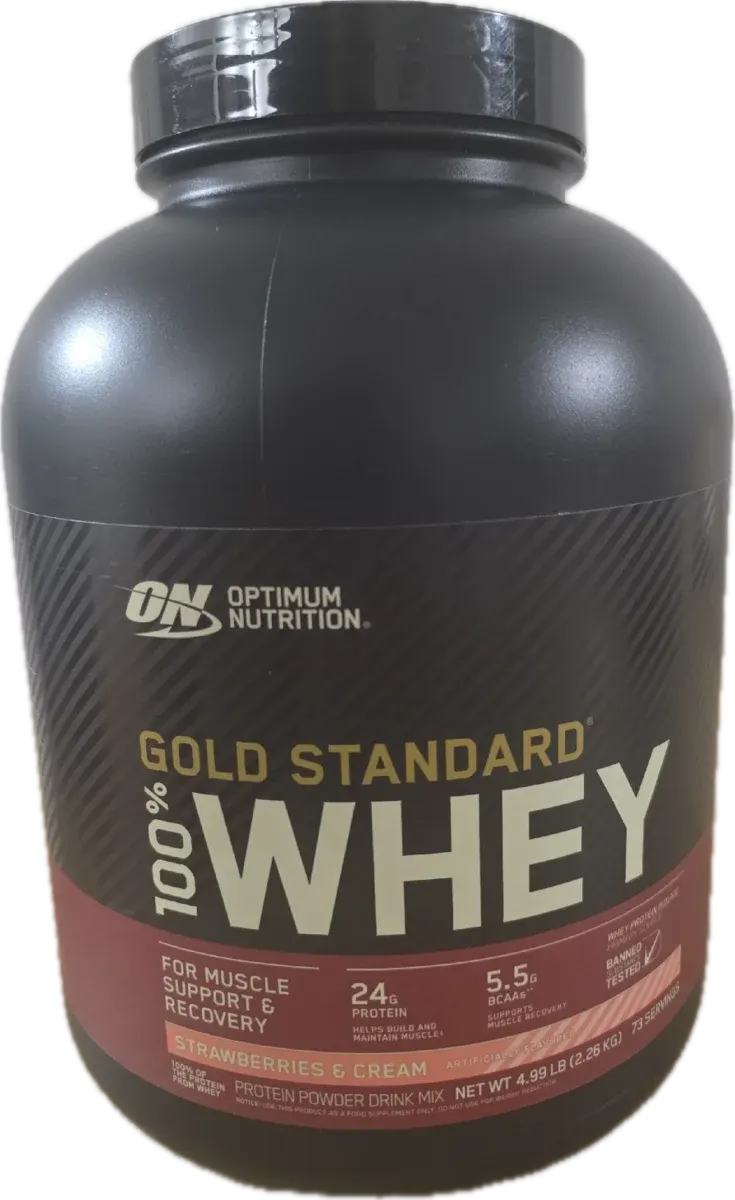
Optimum Nutrition Gold Standard 100% Whey
The benchmark whey: 24 g of protein and 5.5 g of BCAAs per scoop, with whey protein isolate as the primary ingredient. Mixes with a shaker and comes in dozens of flavors.
#2Best whey isolate
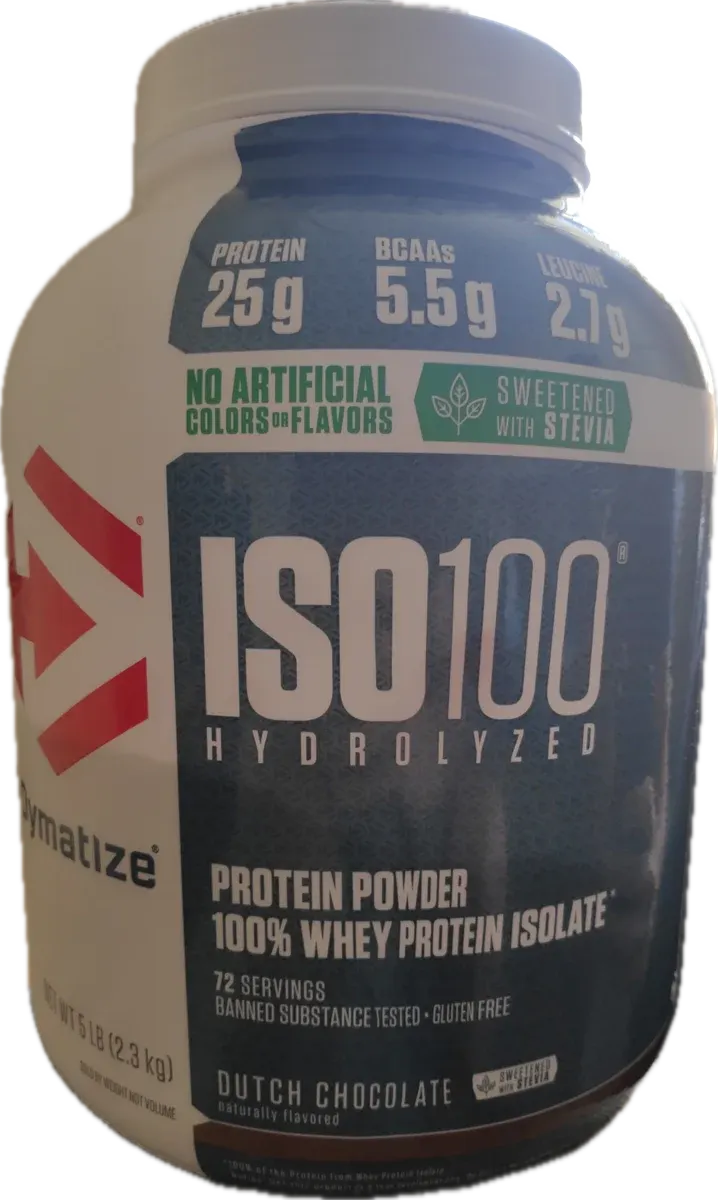
Dymatize ISO100 Hydrolyzed
Hydrolyzed whey protein isolate with 25 g of protein per serving and very little fat or sugar.
#3Best for muscle gain
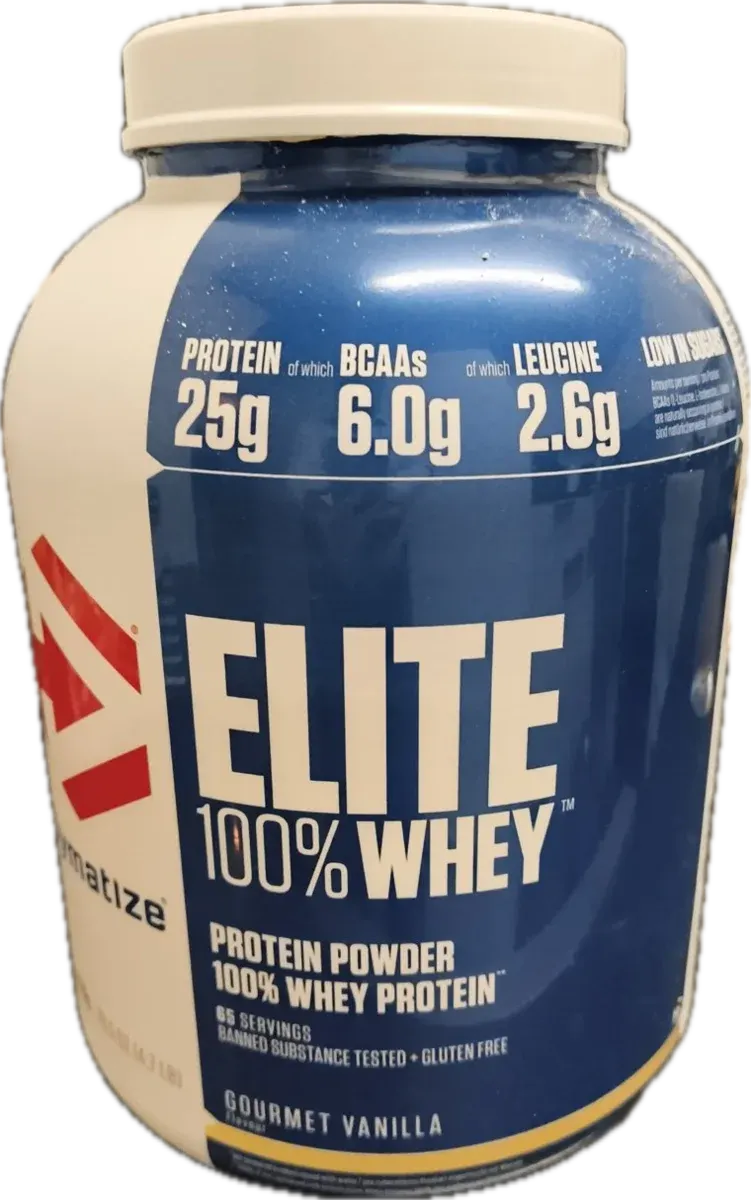
Dymatize Elite 100% Whey
25 g of protein, 5.5 g of BCAAs and 2.7 g of leucine per scoop, and banned-substance tested.
#4Best budget pick
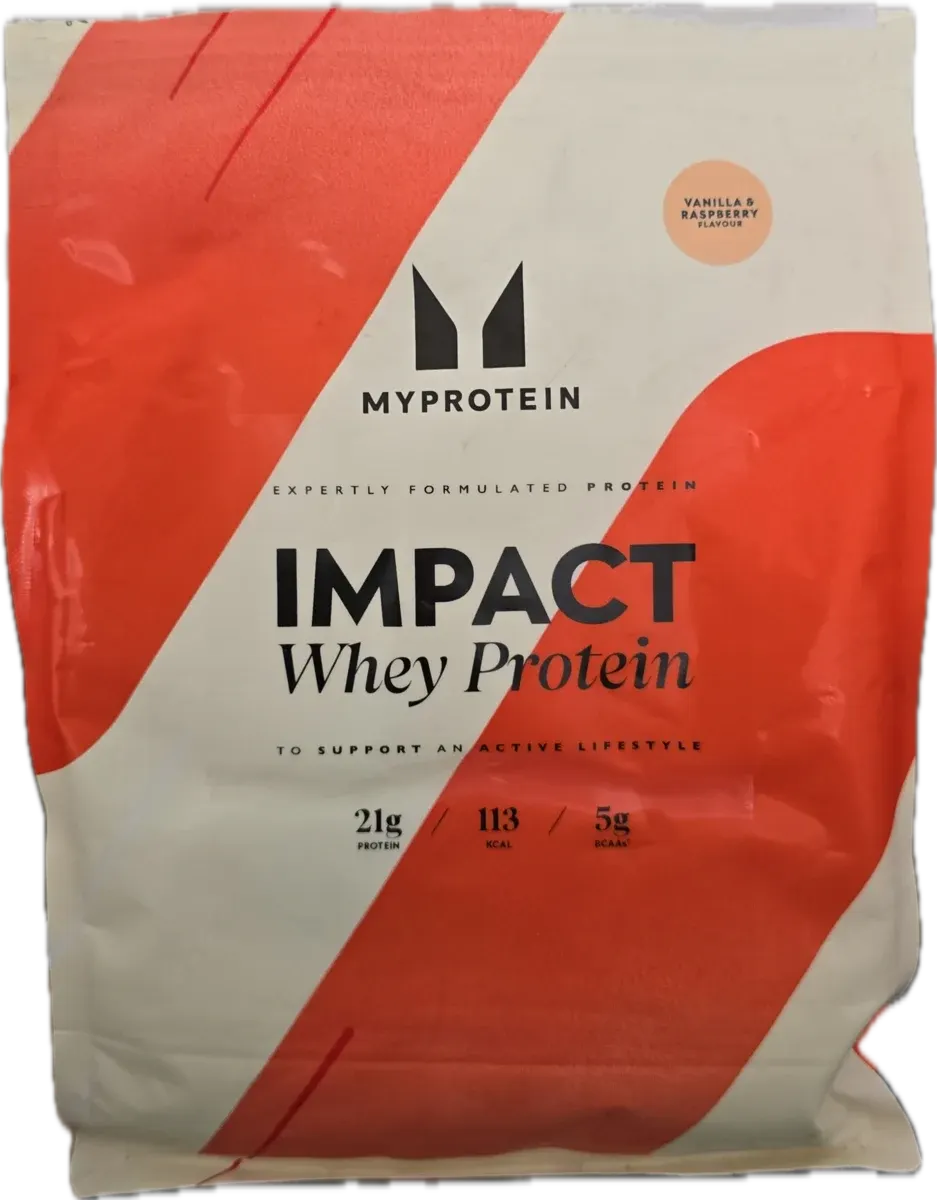
Myprotein Impact Whey Protein
22 g of protein for about 120 calories per scoop, and among the lowest cost per serving of the big brands.
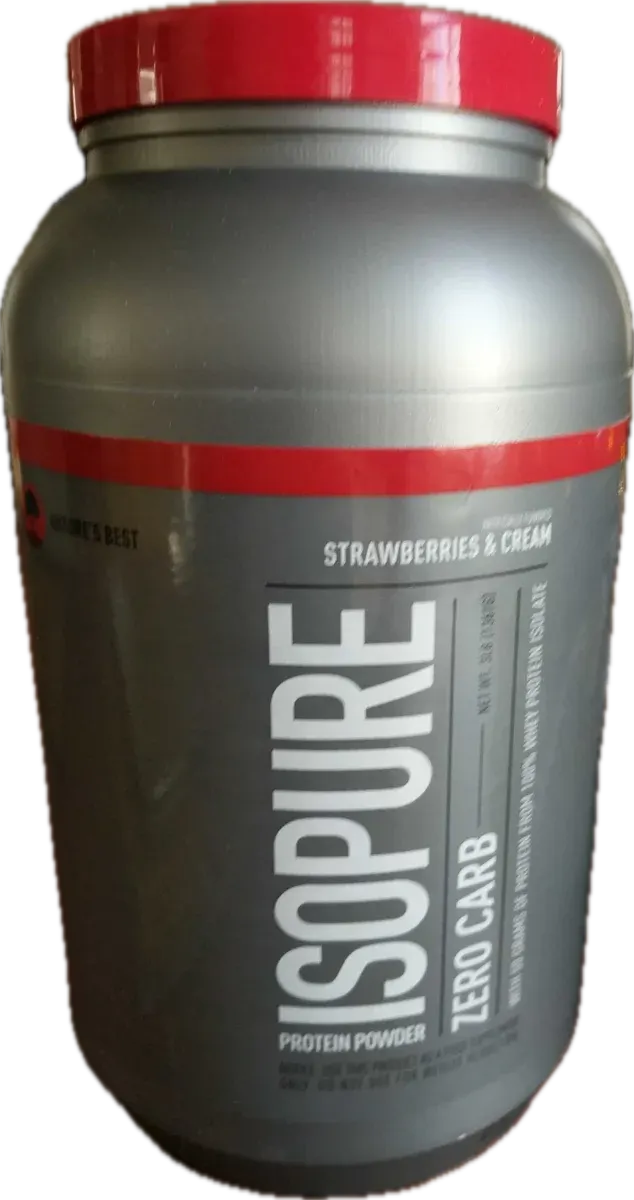
#5Best for low-carb and keto
Isopure Zero Carb Whey Isolate
100% whey protein isolate with 25 g of protein and 0 g of carbs and sugar per serving.
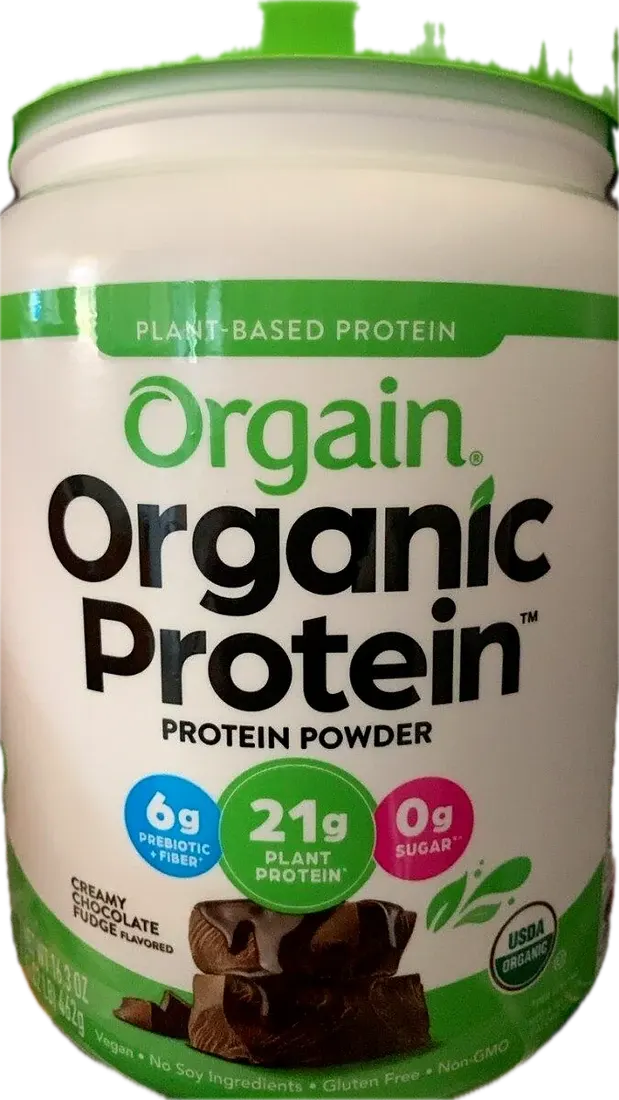
#6Best plant-based
Orgain Organic Protein Plant-Based
21 g of protein from pea, brown rice and chia seed. USDA Organic, vegan, dairy-free and soy-free.
What to look for
- The protein type
- Whey concentrate is the most affordable, whey isolate is filtered to remove most of the fat, carbs and lactose, and plant blends (pea, rice) suit vegan and dairy-free diets. Blends like Gold Standard mix isolate and concentrate.
- Protein per scoop
- Compare grams of protein with the scoop weight on the label. A high protein-to-scoop ratio means less filler and fewer extra calories.
- Third-party testing
- Look for NSF Certified for Sport, Informed Choice or Informed Sport if you're a tested athlete or want independent screening. Certifications can vary by flavor and size, so check the label.
- Sweeteners and add-ons
- Most flavored powders use sucralose or other non-nutritive sweeteners. If you avoid them, pick an unflavored version or a powder sweetened with stevia or monk fruit.
- Cost per gram of protein
- Divide the price by the number of servings and the grams of protein per serving. Big tubs from established brands usually win on cost per gram.
Frequently asked questions
Which protein powder is best for beginners?
A simple whey powder from an established brand, such as Optimum Nutrition Gold Standard, is an easy start: it mixes with water or milk in a shaker and comes in many flavors. If dairy upsets your stomach, try a whey isolate or a plant protein.
Is whey or plant protein better?
Whey is a complete protein that's rich in leucine and absorbs quickly, which is why it's the most popular choice for training. Plant blends of pea and rice also provide all essential amino acids and suit vegan or dairy-free diets. The best one is the one you digest well and enjoy.
When should I take protein powder?
Total daily protein matters more than timing. Many people have a shake after training or with breakfast because it's convenient. Use it to fill gaps in your diet, not to replace whole meals.
Can protein powder help with weight loss?
Protein supports fullness and helps maintain muscle while you eat fewer calories, so a lower-calorie shake can fit a weight-management plan. It works only as part of an overall calorie balance; a protein shake on top of your usual diet adds calories.
Sources
- Dietary Supplements for Exercise and Athletic Performance — NIH Office of Dietary Supplements
- Dietary Supplements — U.S. Food & Drug Administration