Isopure Zero Carb vs Optimum Nutrition Gold Standard
Updated By the HealthWorld editorial teamHow we pick
We may earn a commission when you buy through our links, at no extra cost to you. Affiliate disclosure
The short answer
Isopure Zero Carb is a pure whey isolate with 25 g of protein and 0 g of carbs and sugar per serving, which makes it the better fit for keto, low-carb or lactose-sensitive users. Gold Standard is an isolate-led blend with 24 g of protein, 5.5 g of BCAAs and a much bigger flavor range. If carbs don't matter to you, Gold Standard is the more versatile everyday shake.
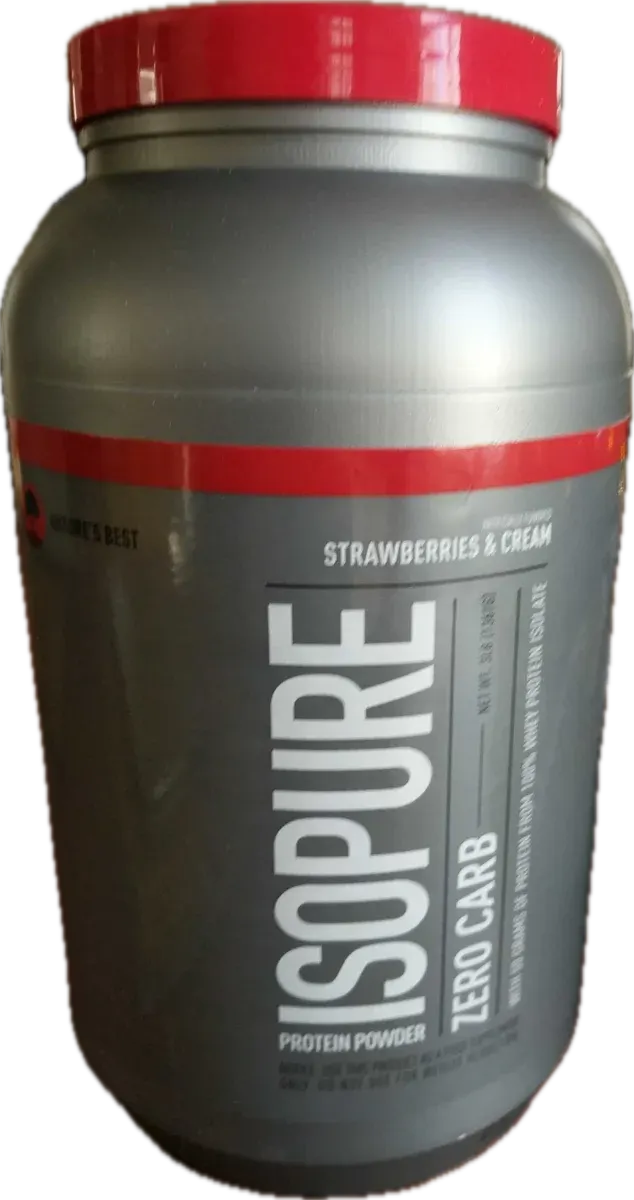
Choose Isopure Zero Carb Whey Isolate if…
- You count carbs or follow keto
- You're sensitive to lactose and prefer a pure isolate
- You want the leanest macros per scoop
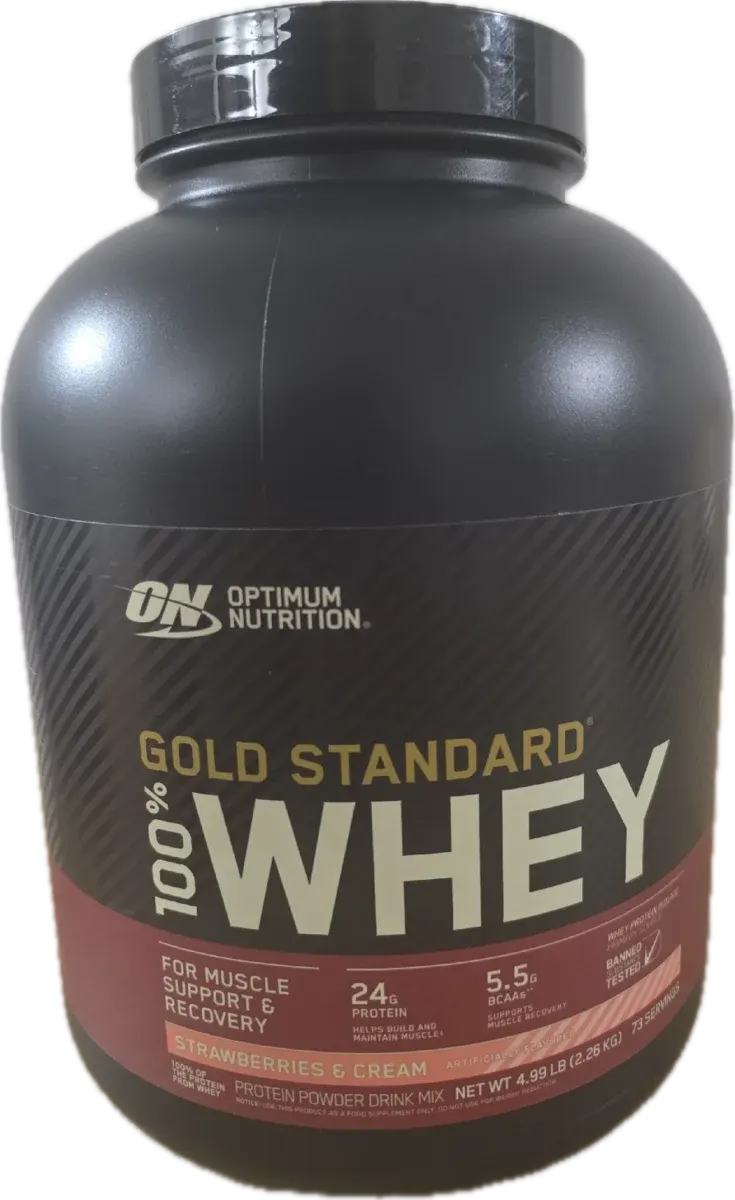
Choose Optimum Nutrition Gold Standard 100% Whey if…
- You want a classic, versatile whey for daily use
- You like having lots of flavors to choose from
- A few carbs per scoop don't matter to you
Side by side
| Isopure Zero Carb Whey Isolate | Optimum Nutrition Gold Standard 100% Whey | |
|---|---|---|
| Protein per serving | 25 g | 24 g |
| Protein type | 100% whey isolate | Whey blend; isolate is the primary ingredient |
| Carbs | 0 g | Low, but not zero; check the label |
| BCAAs | Check the label | 5.5 g |
| Flavors | Several, including unflavored | Huge range, including unflavored |
| Diet fit | Keto and low-carb | Most everyday diets |
Where to buy
Frequently asked questions
Is Isopure better than Gold Standard?
It's better for specific needs: zero carbs, keto or lactose sensitivity, thanks to its pure isolate formula. For most people who simply want a good everyday whey, Gold Standard offers nearly the same protein per scoop and more flavor choice. Both are long-running, trusted brands.
Is protein powder good for weight loss?
It can help by making it easier to reach your protein target, which keeps you fuller. Either of these works within a calorie deficit; Isopure's zero carbs make it slightly easier to fit into low-carb plans.
Is protein powder bad for your kidneys?
Research in healthy people hasn't shown that protein powder harms the kidneys. If you have kidney disease or reduced kidney function, talk to your doctor before using it, as you may need to limit protein.
Sources
- Dietary Supplements for Exercise and Athletic Performance — NIH Office of Dietary Supplements
- Dietary Supplements — U.S. Food & Drug Administration