Vitamin D3 2000 IU vs 5000 IU
Updated By the HealthWorld editorial teamHow we pick
We may earn a commission when you buy through our links, at no extra cost to you. Affiliate disclosure
The short answer
The difference is simply the amount per serving: 2000 IU is 50 mcg of vitamin D3, 5000 IU is 125 mcg — two and a half times as much in one small softgel or capsule. The NIH lists 4,000 IU (100 mcg) a day as the tolerable upper intake level for adults from all sources, so a 5000 IU product is meant for people whose doctor has told them they need that much. Which one suits you depends on your blood level, diet and sun — that's a question for your doctor, not a label.
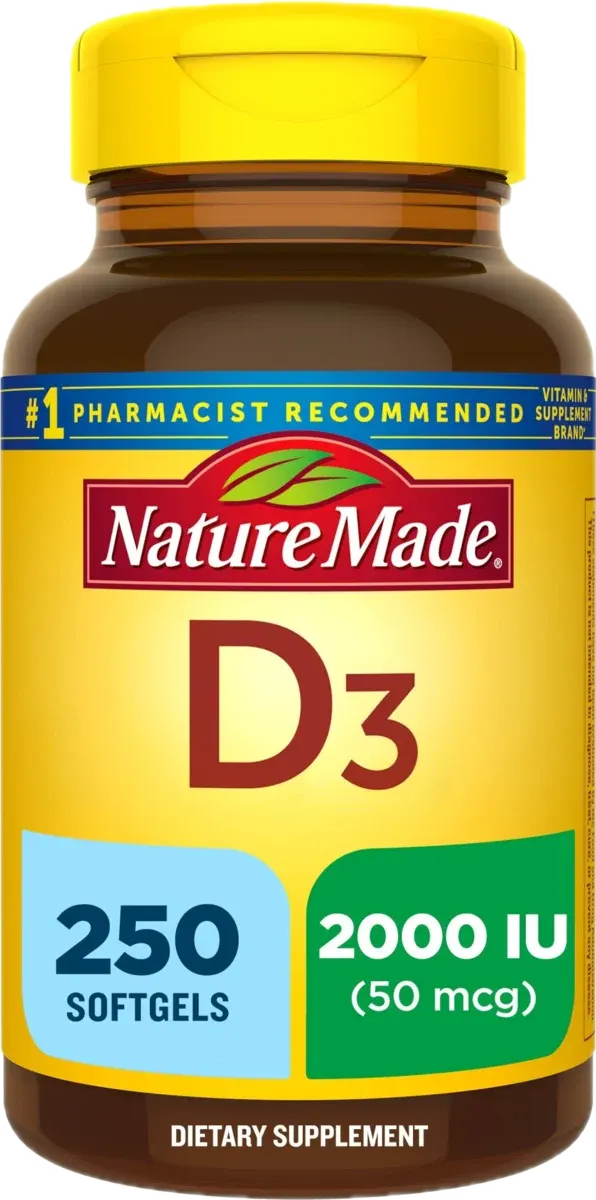
Choose Nature Made Vitamin D3 2000 IU if…
- You want an everyday amount under the NIH upper limit
- You prefer a small softgel
- You buy at a supermarket price point
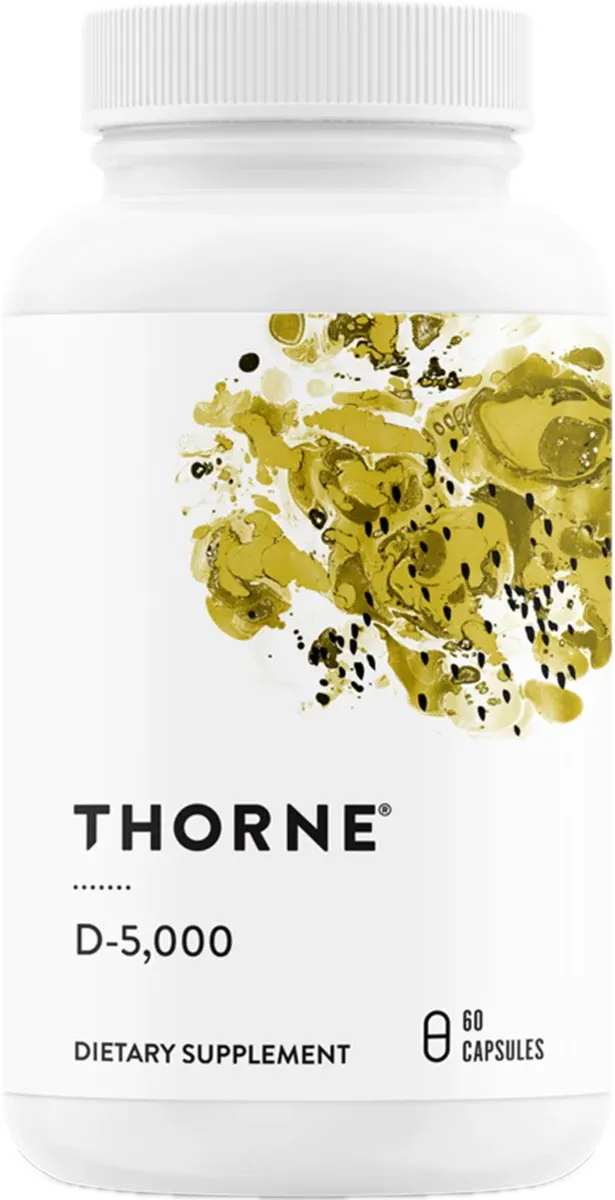
Choose Thorne Vitamin D-5,000 if…
- Your doctor has suggested a higher amount
- You want a capsule without unnecessary fillers
- You already know your vitamin D level is low
Side by side
| Nature Made Vitamin D3 2000 IU | Thorne Vitamin D-5,000 | |
|---|---|---|
| Vitamin D3 per serving | 2000 IU (50 mcg) | 5,000 IU (125 mcg) |
| Form | Softgel | Capsule |
| Serving | 1 a day | 1 a day |
| NIH upper intake level (adults) | Below 4,000 IU | Above 4,000 IU — ask your doctor |
| Typical price per serving | Lower | Higher (check the stores) |
Where to buy
Frequently asked questions
How many mcg is 2000 IU and 5000 IU of vitamin D3?
1 mcg = 40 IU, so 2000 IU = 50 mcg and 5000 IU = 125 mcg. Newer labels list both.
Is 5000 IU of vitamin D3 too much to take every day?
It's above the NIH tolerable upper intake level of 4,000 IU a day for adults, which is why 5000 IU products say to use them under a doctor's guidance. We don't give doses — your doctor can check your level and tell you what you need.
Softgel or capsule?
Both are small and taken once a day. Softgels carry the vitamin in oil; capsules hold a powder. Pick the one you swallow more easily and compare price per serving.
Sources
- Vitamin D — Fact Sheet for Health Professionals — NIH Office of Dietary Supplements
- Multivitamin/mineral Supplements — Fact Sheet — NIH Office of Dietary Supplements
- Vitamin C — Fact Sheet for Health Professionals — NIH Office of Dietary Supplements
- Vitamin K — Fact Sheet for Health Professionals — NIH Office of Dietary Supplements
- Dietary Supplements — U.S. Food & Drug Administration