Whey Protein Isolate vs Whey Concentrate
Updated By the HealthWorld editorial teamHow we pick
We may earn a commission when you buy through our links, at no extra cost to you. Affiliate disclosure
The short answer
Whey isolate is filtered further, so it's typically 90% or more protein by weight with very little fat, carbs or lactose. Whey concentrate keeps more of milk's natural fat and lactose, tastes creamier and usually costs less. Both build muscle well when total protein is matched; choose isolate for lactose sensitivity or tight macros, and concentrate or a blend for value.
Choose Whey isolate if…
- You're mildly lactose intolerant
- You want the most protein per calorie
- You track carbs or fat closely
Choose Whey concentrate if…
- You want a lower price per serving
- You prefer a creamier taste
- Lactose doesn't bother you
Side by side
| Whey isolate | Whey concentrate | |
|---|---|---|
| Protein by weight | Typically 90% or more | Commonly around 70–80% (varies) |
| Lactose | Very little | More |
| Fat and carbs | Very low | Higher |
| Price | Usually higher | Usually lower |
| Taste and texture | Thinner, cleaner | Creamier |
| Muscle building | Effective | Effective |
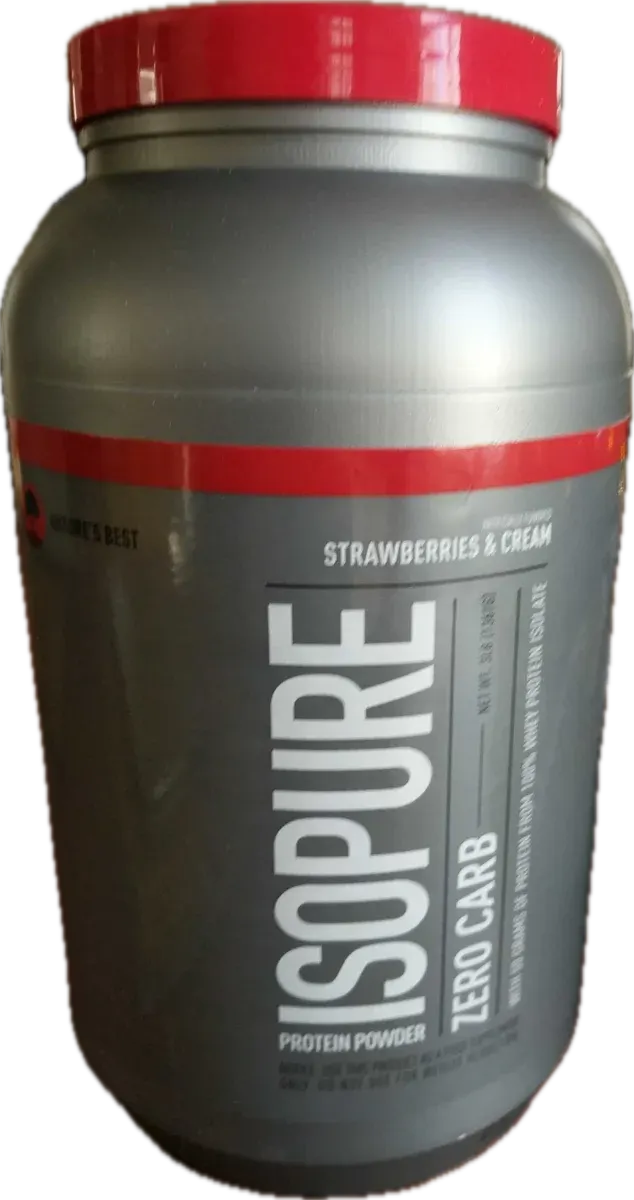
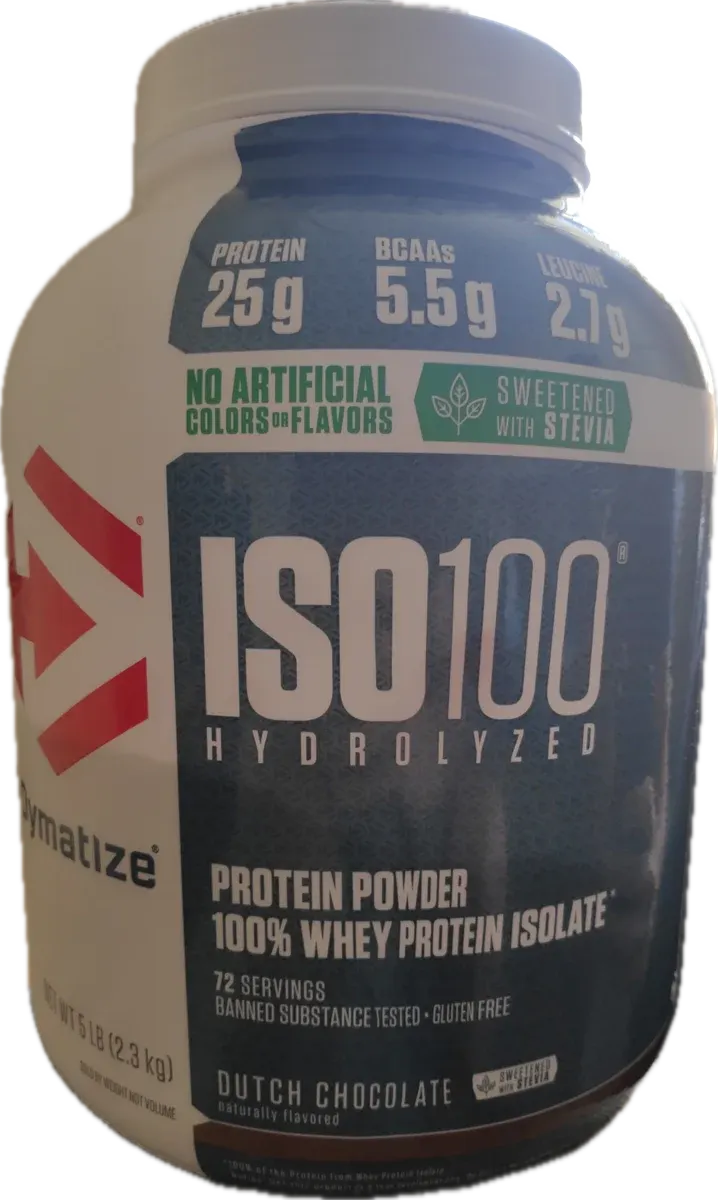
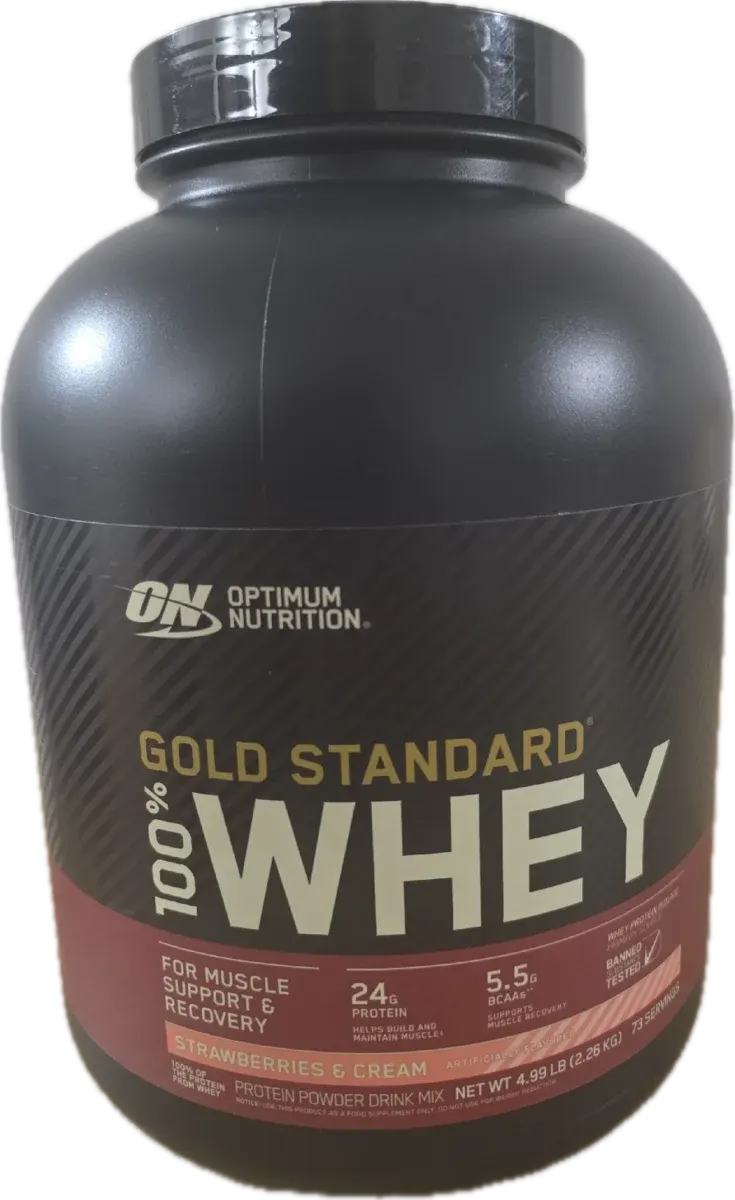
| Examples we list | Isopure Zero Carb, Dymatize ISO100 | Gold Standard (a blend led by isolate) |
Where to buy
Frequently asked questions
Whey protein vs whey protein isolate: which is better?
Neither is better for building muscle when you get the same amount of protein. Isolate is purer, with less fat, carbs and lactose, and usually costs more. Concentrate is cheaper and creamier, and it's fine for most people who tolerate dairy well.
Is whey isolate better for lactose intolerance?
Often, yes. Isolate contains very little lactose, so many people with mild lactose intolerance tolerate it better than concentrate. It's still a milk product, so it isn't suitable for a milk allergy.
How much protein powder per day?
One or two scoops a day is typical, used to top up the protein you get from food. Many active adults aim for roughly 1.2–2 g of protein per kg of body weight a day in total. If you have kidney issues, ask your doctor what's right for you.
Sources
- Dietary Supplements for Exercise and Athletic Performance — NIH Office of Dietary Supplements
- Dietary Supplements — U.S. Food & Drug Administration