Premier Protein vs Core Power
Updated By the HealthWorld editorial teamHow we pick
We may earn a commission when you buy through our links, at no extra cost to you. Affiliate disclosure
The short answer
Both are ready-to-drink milk-protein shakes you can grab at a supermarket. Premier Protein gives 30 g of protein for 160 calories with 1 g of sugar in an 11 fl oz shelf-stable carton and adds 24 vitamins and minerals; Core Power gives 24 g for 130 calories in an 8 fl oz bottle of ultra-filtered milk that lives in the fridge. Per calorie they're close — the choice is really shelf-stable carton with vitamins versus a smaller refrigerated milk bottle.
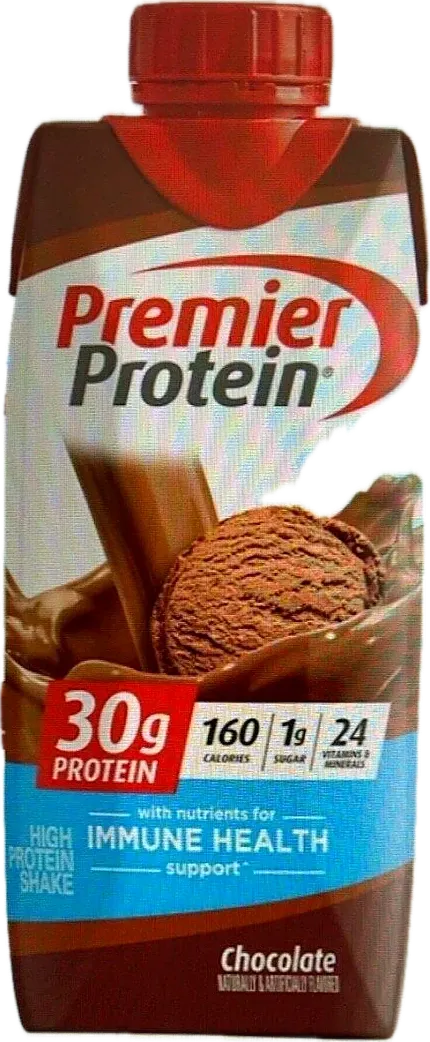
Choose Premier Protein Shake if…
- You want 30 g of protein in one shake
- You keep shakes in a bag, car or desk (shelf-stable)
- You like the added vitamins and minerals
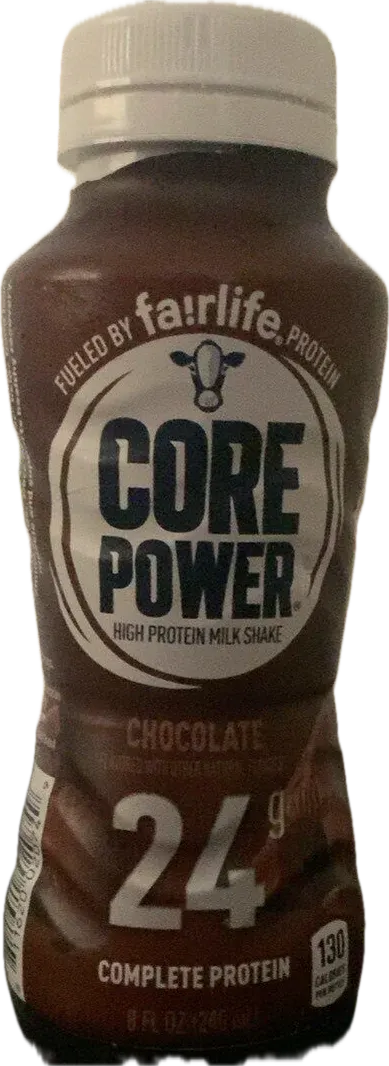
Choose Fairlife Core Power if…
- You prefer a short, milk-based ingredient list
- You have a fridge nearby
- You want a smaller 8 fl oz bottle
Side by side
| Premier Protein Shake | Fairlife Core Power | |
|---|---|---|
| Protein | 30 g | 24 g |
| Calories | 160 | 130 |
| Sugar | 1 g | Check the label (lactose-free, lightly sweetened) |
| Size | 11 fl oz carton | 8 fl oz bottle |
| Storage | Shelf-stable until opened | Refrigerated |
| Added vitamins | 24 vitamins and minerals | Check the label |
Where to buy
Frequently asked questions
Is Premier Protein or Core Power healthier?
Neither is 'healthier' by the label alone: Premier Protein has more protein and vitamins per shake, Core Power has fewer calories and a shorter, milk-based ingredient list. Pick by the numbers that matter to you — protein per shake, calories, sugar — and by where you'll store it.
Which has more protein per calorie?
Premier Protein: 30 g for 160 kcal is about 18.8 g per 100 kcal; Core Power: 24 g for 130 kcal is about 18.5 g. Practically a tie.
Can I drink either every day?
They're foods, not supplements, and many people use one a day as a snack or post-workout. If you manage a medical condition or watch sodium or lactose, read the panel and ask your doctor.
Sources
- Dietary Supplements for Exercise and Athletic Performance — NIH Office of Dietary Supplements
- Dietary Supplements — U.S. Food & Drug Administration