The Best Lactose-Free Protein Powders
Updated By the HealthWorld editorial teamHow we pick
We may earn a commission when you buy through our links, at no extra cost to you. Affiliate disclosure
As an Amazon Associate I earn from qualifying purchases.
Top picks at a glance
- 1
- 2
- 3
If regular whey upsets your stomach, you have two routes: a whey isolate, which is filtered to remove most of the lactose, or a plant protein with no milk in it at all. Dymatize ISO100 and Isopure Zero Carb are the isolates we'd start with, Orgain's plant proteins are fully dairy-free, and Myprotein Clear Whey is the light, juice-like option.
Our picks
#1Best whey isolate
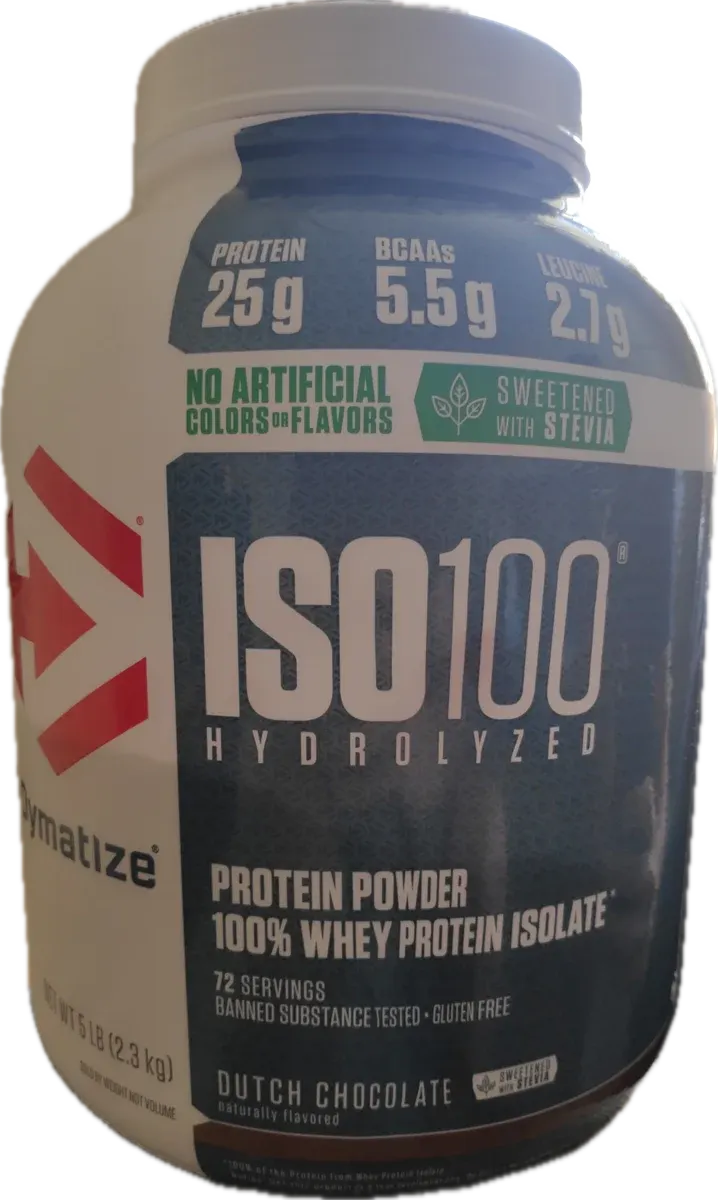
Dymatize ISO100 Hydrolyzed
A hydrolyzed whey isolate with 25 g of protein per serving and very little fat or sugar. Isolate is filtered to remove most of the lactose, which is why many people with mild intolerance get on with it when regular whey doesn't.
#2Best zero-carb isolate
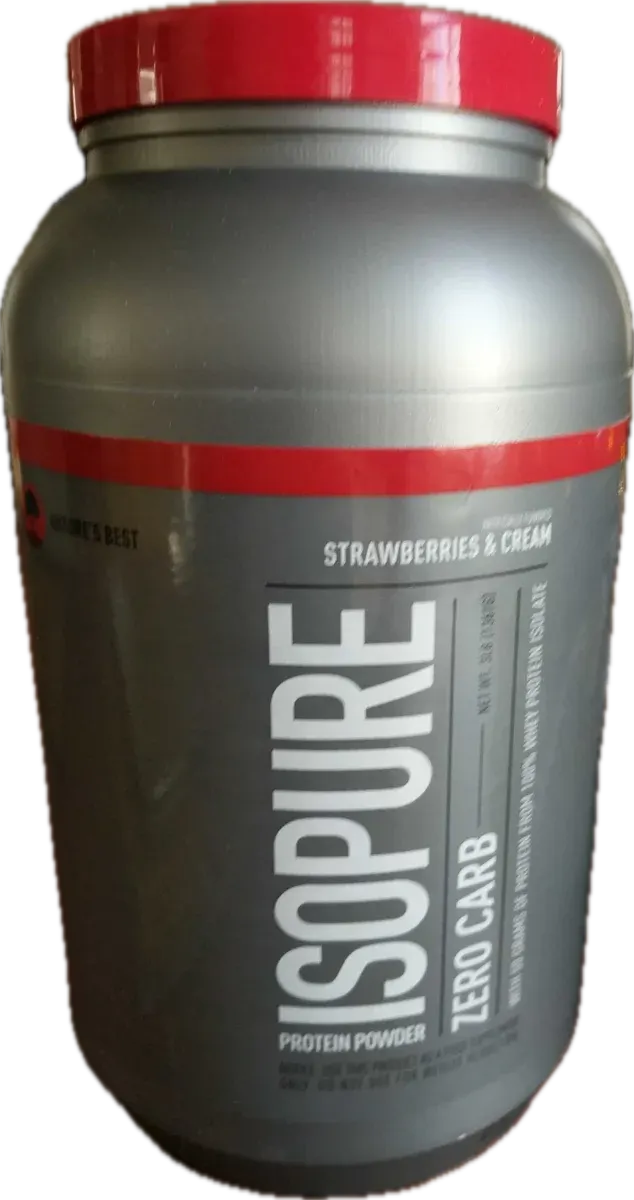
Isopure Zero Carb Whey Isolate
100% whey protein isolate with 25 g of protein and 0 g of carbs and sugar per serving, so there's almost nothing left but protein. Isopure markets this line as lactose-free; it's still made from milk, so the allergen line says 'contains milk'.
#3Best dairy-free
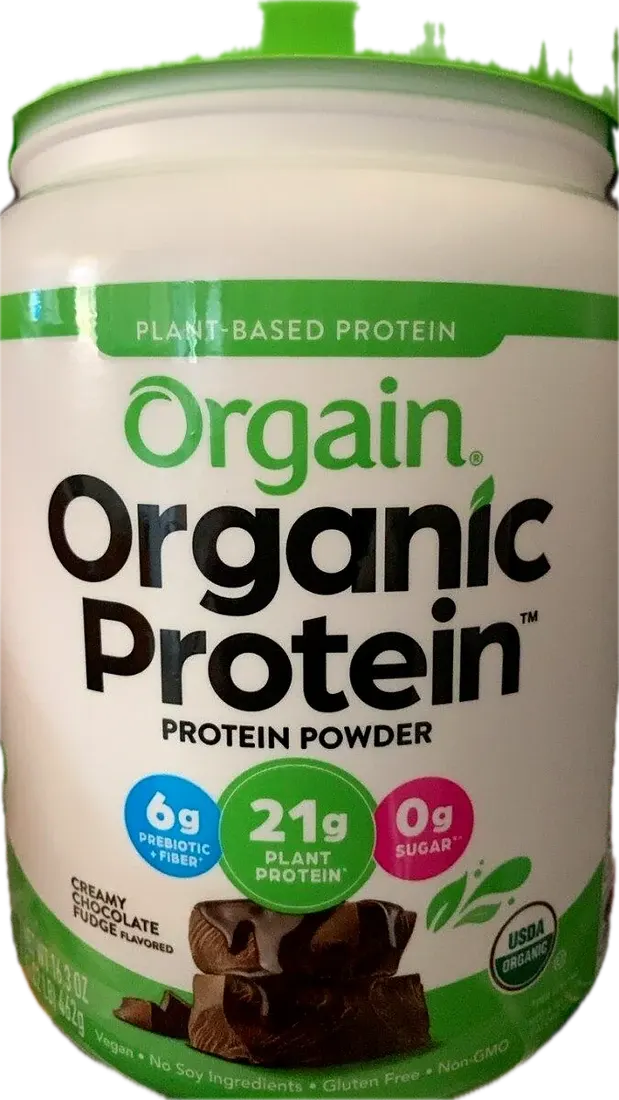
Orgain Organic Protein Plant-Based
Pea, brown rice and chia protein — vegan, dairy-free and soy-free, with 21 g of protein per serving. USDA Organic and one of the smoothest plant proteins, so it's the safe choice if you want no milk at all.
#4Best dairy-free with fiber
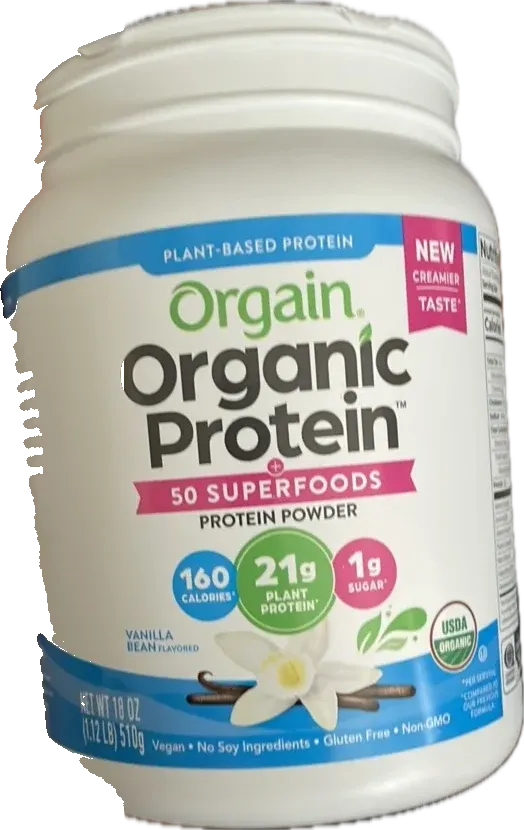
Orgain Organic Protein + 50 Superfoods
The same plant blend plus 50 organic superfoods: 21 g of protein, 8 g of fiber and 160 calories per serving with 1 g of sugar. Dairy-free, vegan and USDA Organic, it works as a breakfast shake rather than a plain protein.
#5Best if you hate milky shakes
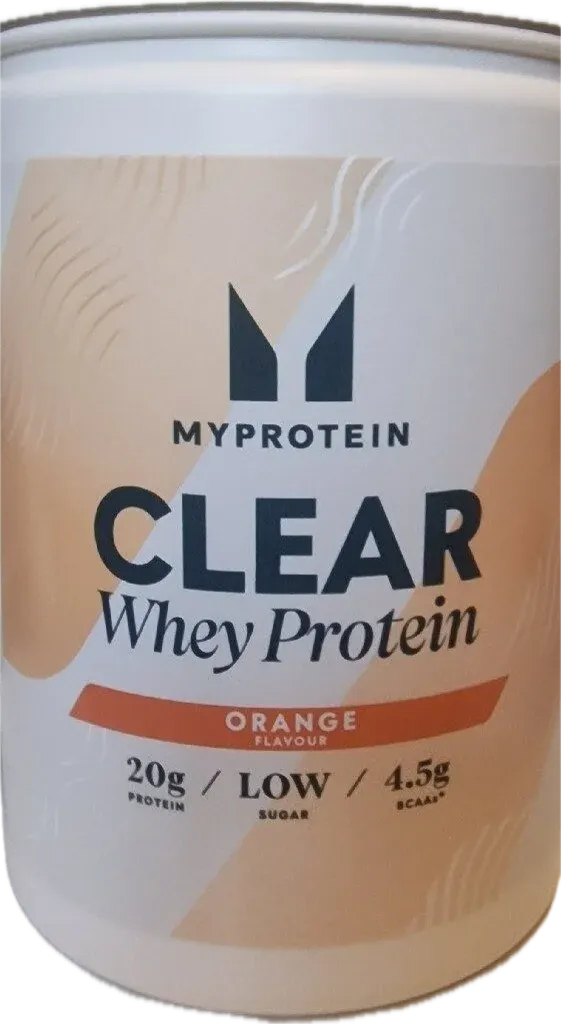
Myprotein Clear Whey Isolate
Hydrolyzed whey isolate that mixes into a light, fruity drink: 20 g of protein and 4.5 g of BCAAs per serving with almost no fat or sugar. Isolate means most of the lactose is filtered out, and the juice-like texture avoids the creamy feel that puts some people off.
What to look for
- Isolate vs concentrate
- Whey concentrate keeps more of milk's natural lactose and fat. Isolate is filtered further, to roughly 90% protein, so it contains far less lactose — often little enough for mild intolerance, but it isn't guaranteed to be zero unless the brand says so.
- Check the allergen line
- Every whey, including isolate, is made from milk and must list it under 'Contains'. If you have a milk allergy rather than lactose intolerance, skip whey altogether and choose a plant protein.
- Plant protein for a true dairy-free option
- Pea, rice and chia blends contain no milk, so no lactose. Check the protein per serving (plant powders are often 20–21 g) and that the blend combines sources for a complete amino acid profile.
- Sweeteners and sugar alcohols
- Bloating from a shake isn't always lactose. Sugar alcohols and some fibers cause the same symptoms in some people, so compare the ingredient list before you blame the dairy.
- Start small
- Try half a scoop mixed with water or a plant milk the first time. If an isolate still bothers you, a plant protein or a lactose-free ready-to-drink shake is the next step.
Frequently asked questions
Is whey isolate lactose-free?
Not completely. Isolate is filtered to remove most of the lactose, typically leaving well under a gram per serving, which is why many people with lactose intolerance tolerate it. Some brands label their isolate lactose-free; the allergen line will still say it contains milk. If even small amounts bother you, choose a plant protein.
Can I drink protein shakes if I'm lactose intolerant?
Usually, yes, if you pick the right kind. A whey isolate or a plant protein avoids most or all of the lactose found in regular whey concentrate and milk-based shakes. Mix it with water or a plant milk rather than cow's milk, and start with a smaller serving to see how you feel.
What's the difference between lactose intolerance and a milk allergy?
Lactose intolerance means your body struggles to digest milk sugar, which causes bloating and discomfort. A milk allergy is an immune reaction to milk proteins and can be serious. Whey isolate can suit lactose intolerance, but it is a milk protein, so it's not for a milk allergy. If you're unsure which you have, talk to your doctor.
Where can I buy lactose-free protein powder?
All the picks here are sold on eBay by supplement sellers, often in multi-tub bundles, and our links go to a search for each product so you can compare sellers. We may earn a commission at no extra cost to you. Check the expiry date and that the tub is sealed.
Sources
- Dietary Supplements for Exercise and Athletic Performance — NIH Office of Dietary Supplements
- Dietary Supplements — U.S. Food & Drug Administration