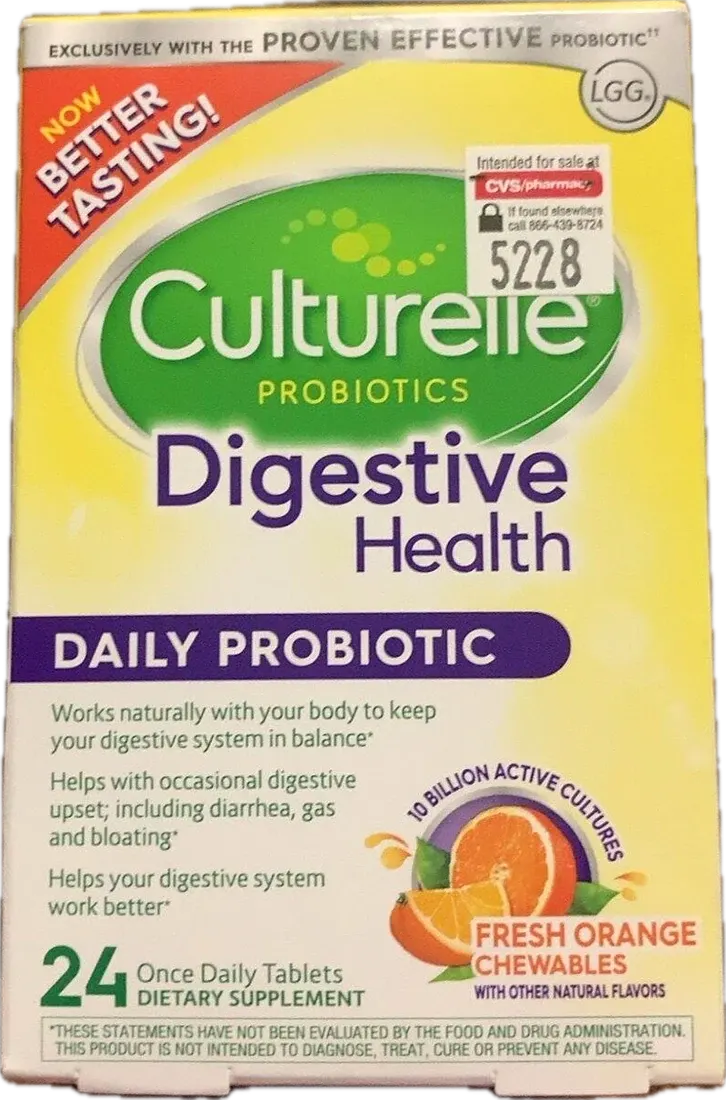
Culturelle
Daily Probiotic
Built around one of the most studied probiotic strains.
- CFU
- CFU 10 billion
- Strain
- Strain LGG
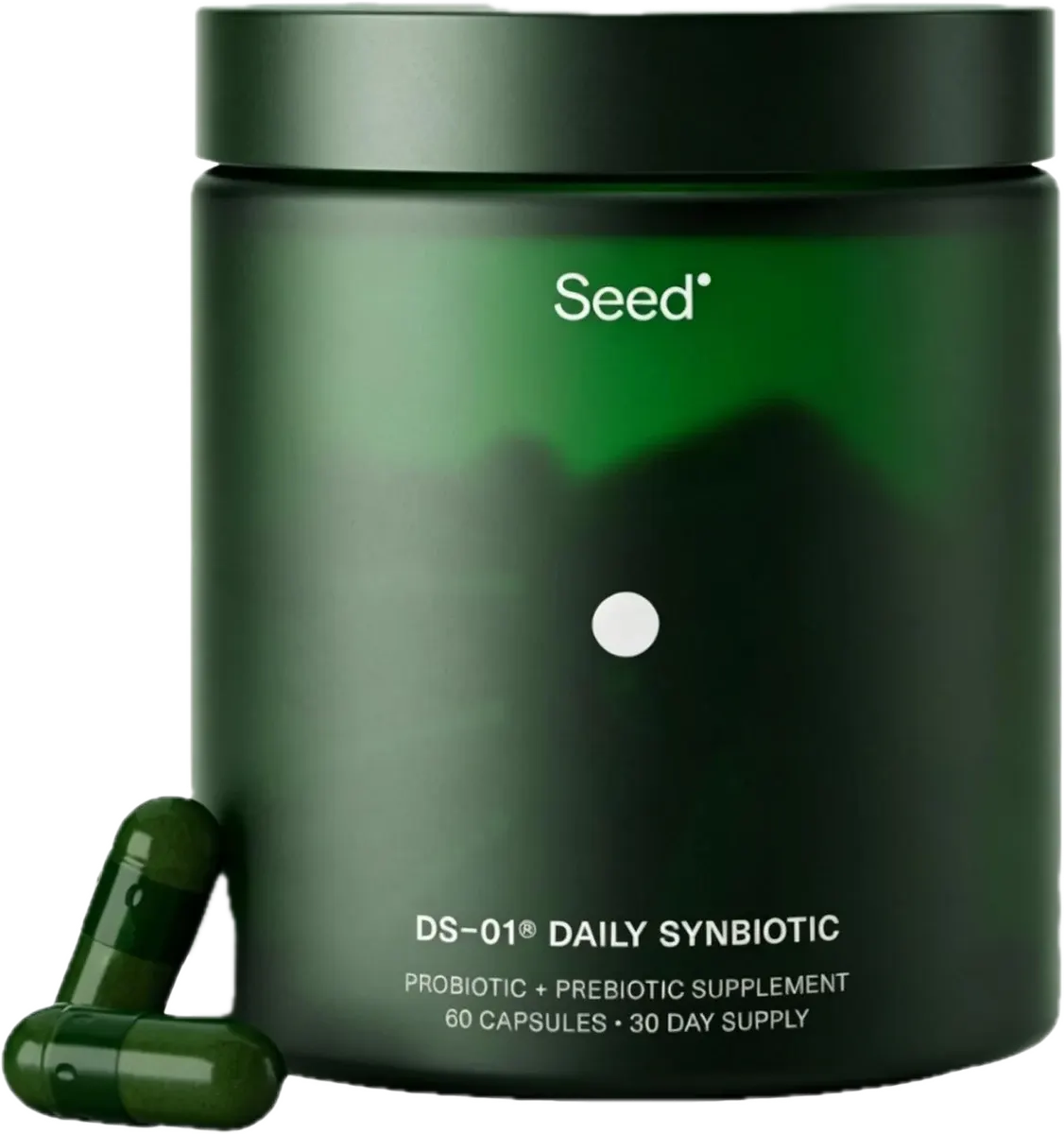
24 strains in a capsule-in-capsule, two a day.
Per serving, from the label. Formulas can change — always check the package.
We may earn a commission when you buy through our links, at no extra cost to you.
As an Amazon Associate I earn from qualifying purchases. Prices and availability are set by the retailer.
Deal updates for DS-01 Daily Synbiotic
Seed's DS-01 is the most talked-about probiotic on social media, and it's a premium product: 53.6 billion AFU across 24 strains in a two-part capsule, with an outer prebiotic capsule of Indian pomegranate that protects the inner one through the stomach. Two capsules a day, sold as a monthly supply.
There's no single right number; products range from 1 to 100+ billion CFU per serving and strains matter as much as counts. The label lists CFU and the named strains — compare those, and check whether the count is guaranteed 'through best-by' or only 'at time of manufacture'.
Check the label: some probiotics are shelf-stable, others say 'keep refrigerated'. Shelf-stable products are easier to travel with; refrigerated ones should stay cold from the store to your fridge.
Follow the label. Many probiotics suggest taking them with a meal; fiber supplements are taken with a full glass of water and spaced away from medicines. Consistency matters more than the hour.
Probiotics are live bacteria; prebiotics are fibers that feed the bacteria you already have. Some products combine both ('synbiotic') — the label will say so.
Culturelle
Built around one of the most studied probiotic strains.
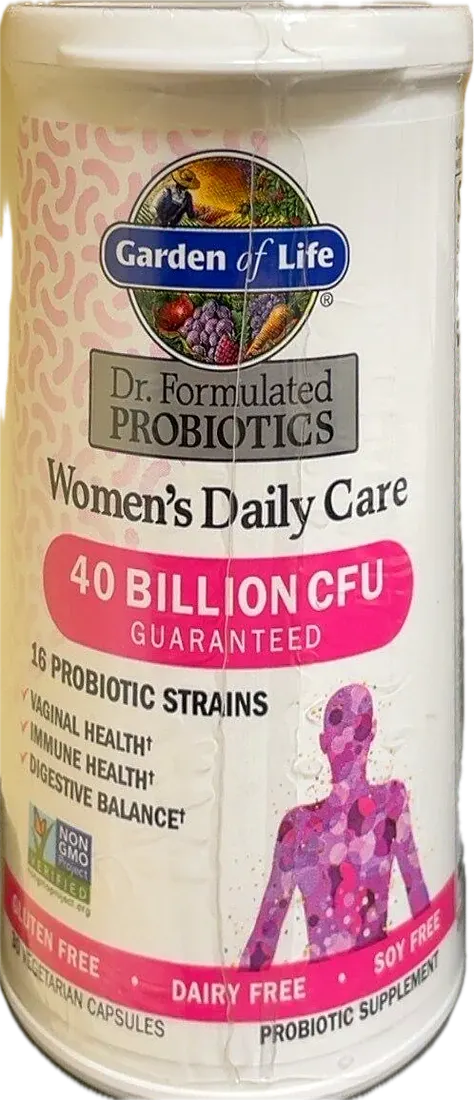
Garden of Life
Multi-strain, shelf-stable probiotic.
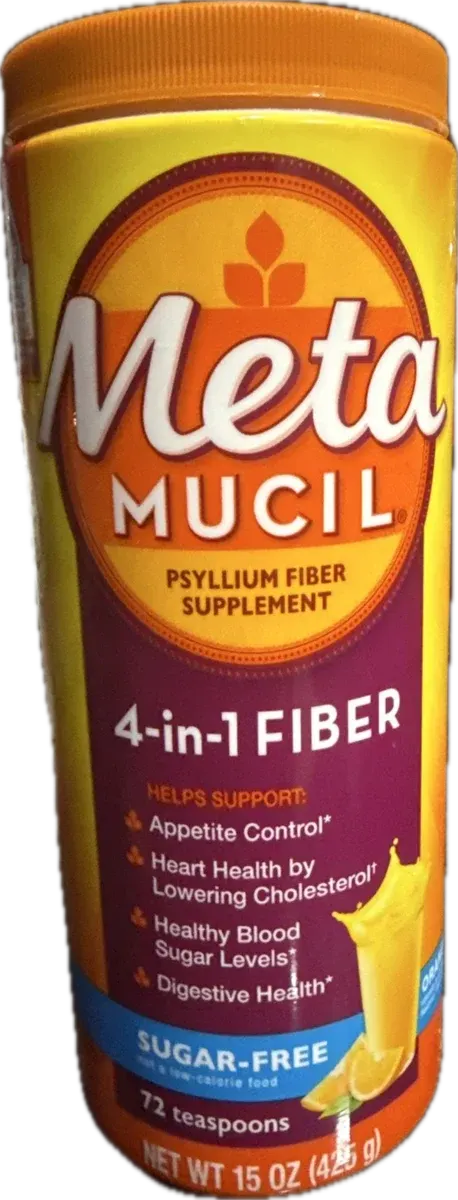
Metamucil
The household name in daily fiber.
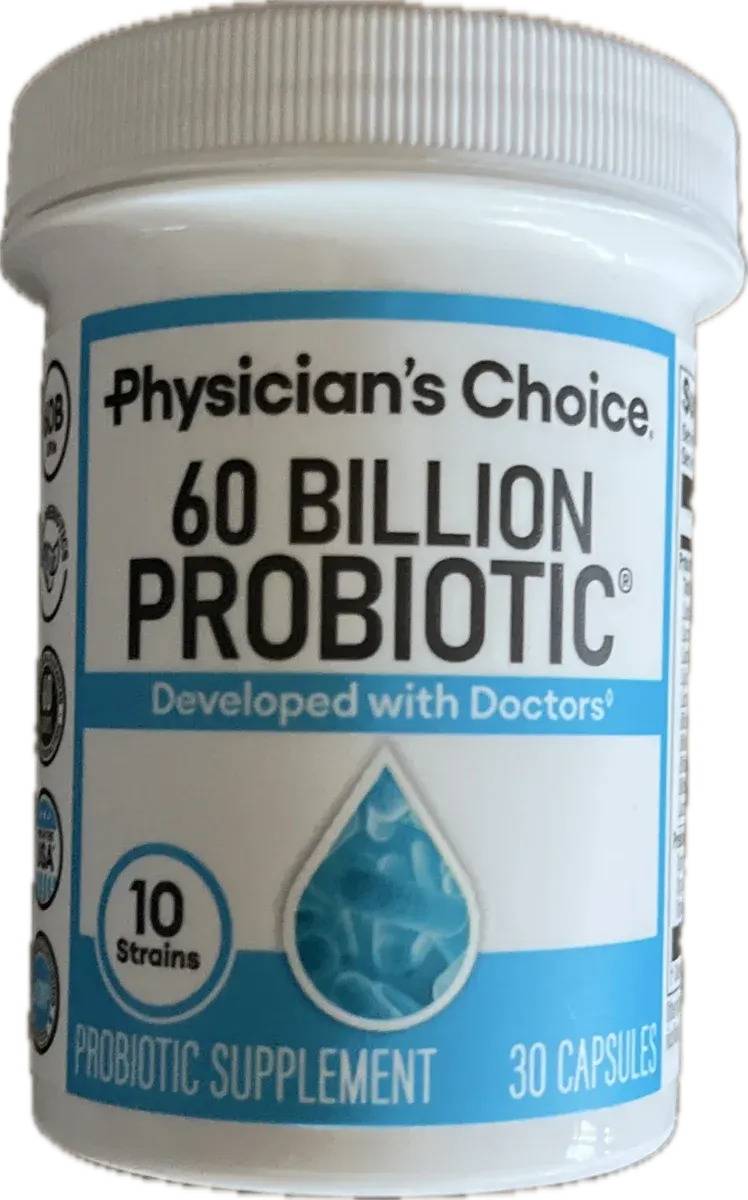
Physician's Choice
Amazon's best-selling probiotic.