Label data · how much lion's mane per day
Lion's mane: mg per serving and extract type on every label we carry
Lion's mane labels differ on what part of the mushroom you get: fruiting-body extracts (often with a printed beta-glucan %) versus mycelium grown on grain. Milligrams alone don't tell you which. The table lists the printed amount and the part used for every lion's mane product we track.
2 labels we read
- Lowest
- 1 mg
- Median
- 1,000 mg
- Highest
- 1,000 mg
Lion's mane per serving as printed on the Supplement Facts panel of each product below · 1 of them print a third-party certification.
What to check on the label
- Fruiting body vs mycelium (printed in the ingredient list)
- Beta-glucan % if the label prints it
- Milligrams per serving and pieces per serving
Lion's mane on each label we carry
Sorted by the printed amount. Tap a row to see it on eBay; the product page has the full label.
We may earn a commission when you buy through our links, at no extra cost to you. Affiliate disclosure
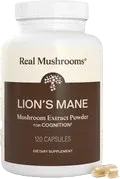
Real Mushrooms Organic Lion's Mane Extract Capsules
Lion's mane extract: 1,000 mg per serving
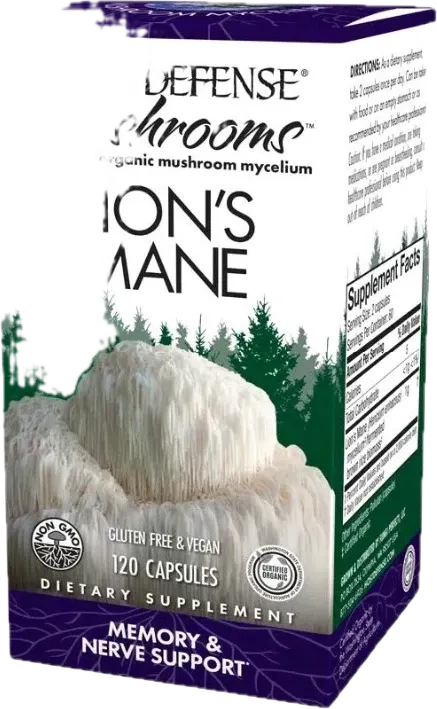
Host Defense Lion's Mane Capsules
Lion's mane mycelium: 1 g per serving · USDA Organic
Go deeper
Questions people ask
Fruiting body or mycelium — which lion's mane is better?
Fruiting-body extracts print higher beta-glucan percentages; mycelium-on-grain products contain more starch from the grain. The label's ingredient list names the part — that's the comparable fact.
How much lion's mane per day do labels use?
500–1,000 mg of extract per serving is common on capsules; powders print 1–2 g scoops. Follow the serving printed on your product.
Part of the open label dataset (CC BY 4.0) · how we read labels · other ingredients: Creatine monohydrate · Whey protein · Plant protein · Collagen peptides · Magnesium · Melatonin · Ashwagandha · Vitamin D3