Label data · how much zinc per day supplement
Zinc: mg per serving on every zinc label we carry
Zinc supplements print 15 mg to 50 mg per tablet, while the NIH lists 40 mg a day as the adult upper limit for long-term use — so 50 mg products are short-term labels, not daily ones. The table lists the printed zinc per serving and the form for every zinc product we track.
2 labels we read
- Lowest
- 30 mg
- Median
- 50 mg
- Highest
- 50 mg
Zinc per serving as printed on the Supplement Facts panel of each product below · 1 of them print a third-party certification.
What to check on the label
- Milligrams per serving against the NIH upper limit (40 mg/day for adults)
- Form: picolinate, gluconate, citrate, oxide
- Pieces per serving
Long-term intake above 40 mg/day can affect copper status; ask a doctor before taking high doses daily.
Zinc on each label we carry
Sorted by the printed amount. Tap a row to see it on eBay; the product page has the full label.
We may earn a commission when you buy through our links, at no extra cost to you. Affiliate disclosure
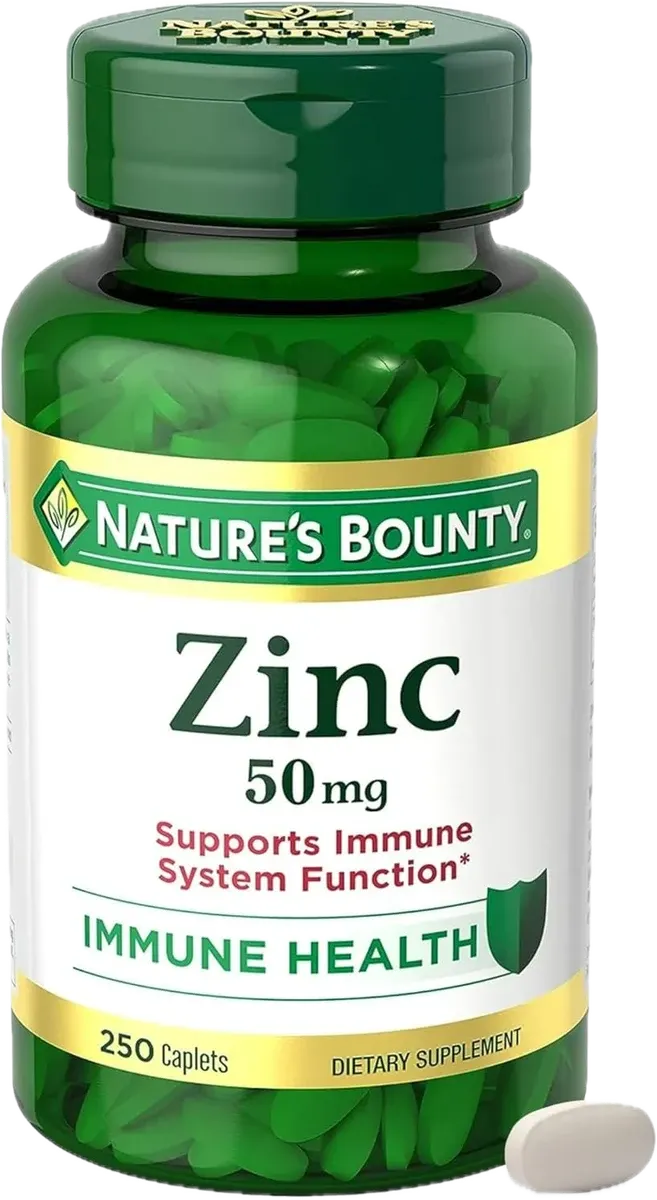
Nature's Bounty Zinc 50 mg Caplets
Zinc: 50 mg per serving
Things to consider: 50 mg is above the 40 mg adult upper limit for zinc — long-term daily use can affect copper status. Check with your doctor before taking it every day.
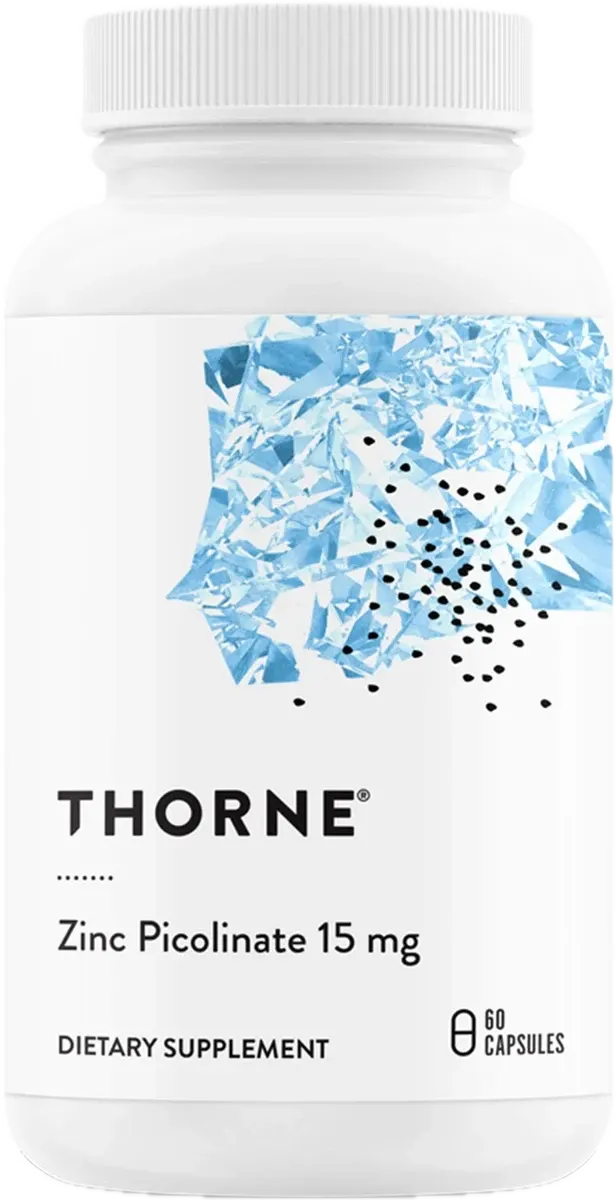
Thorne Zinc Picolinate 30 mg
Zinc: 30 mg per serving · NSF Certified for Sport
Things to consider: If you're pregnant or nursing, check with your healthcare provider first.

Go deeper
Questions people ask
Is 50 mg of zinc a day too much?
It's above the NIH tolerable upper intake (40 mg) for ongoing use; labels that print 50 mg are usually meant for short periods. 15–30 mg products fit daily use better — the table shows each label.
Zinc picolinate vs gluconate?
Both are common; picolinate is marketed for absorption, gluconate is inexpensive and widely used. The milligram number on the label is the comparable part.
Part of the open label dataset (CC BY 4.0) · how we read labels · other ingredients: Creatine monohydrate · Whey protein · Plant protein · Collagen peptides · Magnesium · Melatonin · Ashwagandha · Vitamin D3